As we close out 2025, the built environment is quietly undergoing a revolution centred on the building envelope. Windows and doors - **the primary interface** between interior and exterior - have evolved from simple components into sophisticated systems that blend advanced materials science, intelligent controls and sustainable design. Drawing on global industry data, recognised certification frameworks and cutting-edge research, this article examines the core value of premium windows and doors in 2025 and where the sector is headed.
Global Consensus: Performance Standards Have Become the Common Language
With climate targets and energy security front and centre, energy performance in buildings has moved from encouragement to regulation. The EU’s Energy Performance of Buildings Directive (EPBD), progressively tighter North American energy codes, and worldwide commitments to net-zero buildings have all driven demand and raised the technical bar for high-performance windows and doors.
Common performance metrics - notably whole-window U-values (thermal transmittance) — are now treated as hard currency. Leading system windows today have pushed below the 0.8 W/(m²·K) threshold (The CIVRO XW98IN has reached a U value of 0.777W/(m²·K). ) Influential certification programmes such as Germany’s Passive House and the US Phius standard maintain extensive product databases (each listing well over a thousand certified products), giving architects and engineers clear, component-level data (glass, profiles, spacers, etc.) for precise energy modelling.
Market research supports this shift: nearly 80% of buyers list energy performance as their primary selection criterion. In other words, exceptional thermal performance is now an assumed baseline for premium products.
Technical Depth: From Structural Optimisation to a Materials Revolution
Technologies are developing in two complementary directions: ultra-optimised system design and breakthrough materials.
System design: Competition has moved to millimetre precision. Wide, multi-material thermal breaks (for example, composite spacers up to 39 mm) and true vertical isotherm designs minimise conductive heat transfer through profiles. Multi-chamber extrusions and robust multi-seal arrangements (four-, five-seal or more systems) create a physical defence against heat loss, water ingress and noise.
Material advances:
Smart dynamic glazing: Electrochromic and thermochromic technologies are maturing into windows that actively respond to conditions. Field tests - for example, university projects in Beijing — show electrochromic glazing can reduce interior temperatures by up to ~14°C during summer peaks compared with conventional glazing. Thermochromic hydrogels and other adaptive materials have demonstrated average energy savings in the low- to mid-20% range in office settings.
Transparent super-insulators: Silicate aerogels developed for aerospace are now being adapted to glazing, offering dramatically lower thermal conductivity with minimal added thickness — enabling much higher insulating performance without sacrificing transparency.
Radiative cooling surfaces: New high-reflectance, high-infrared-emissivity materials (extended to some opaque façade components) can passively reduce solar heat gain and overall envelope temperatures, providing a useful complement to glazing advances.
Smart Integration and Health: A New Dimension for Living Environments
Intelligence in windows and doors is no longer limited to remote control via apps. Premium systems act as building “sensors” and actuators, integrating with building management systems and dynamically adjusting to wind, rain, temperature, humidity, air quality and solar radiation.
Over 60% of high-end projects now specify smart, interoperable fenestration features - automatic ventilation modes, weather-driven closure, and data exchange with HVAC systems. CIVRO’s next-generation hardware platform, for example, incorporates a non-convective micro-ventilation solution that provides 30–120 m³/h of trickle ventilation while preserving thermal performance, striking a balance between airtightness and indoor air quality.
Windows and doors are also a first line of defence for occupant health: tight airtightness and effective particulate filtration prevent outdoor pollution ingress; high acoustic performance (lab results up to ~45 dB) creates quiet interiors; and optimised window-to-wall ratios combined with high-performance glazing maximise daylight, supporting occupants’ physical and psychological wellbeing.
Aesthetics, Safety and Customisation: Uncompromised Experience
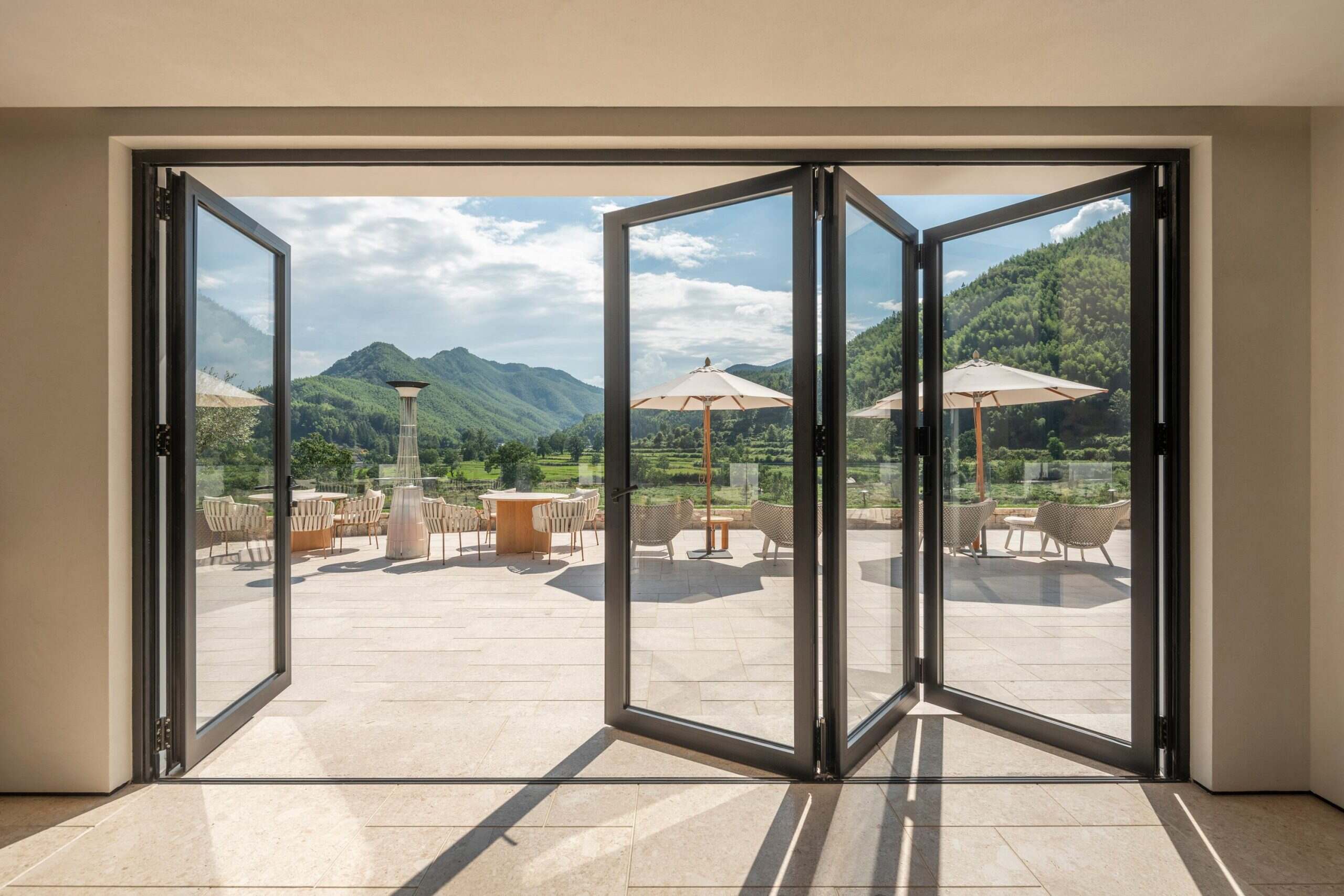
In premium markets, design and safety are non-negotiables. Slim sightlines, oversized glass panels with near-invisible framing, and a wide palette of finishes (including MED coatings) make modern fenestration an architectural asset rather than a visual interruption.
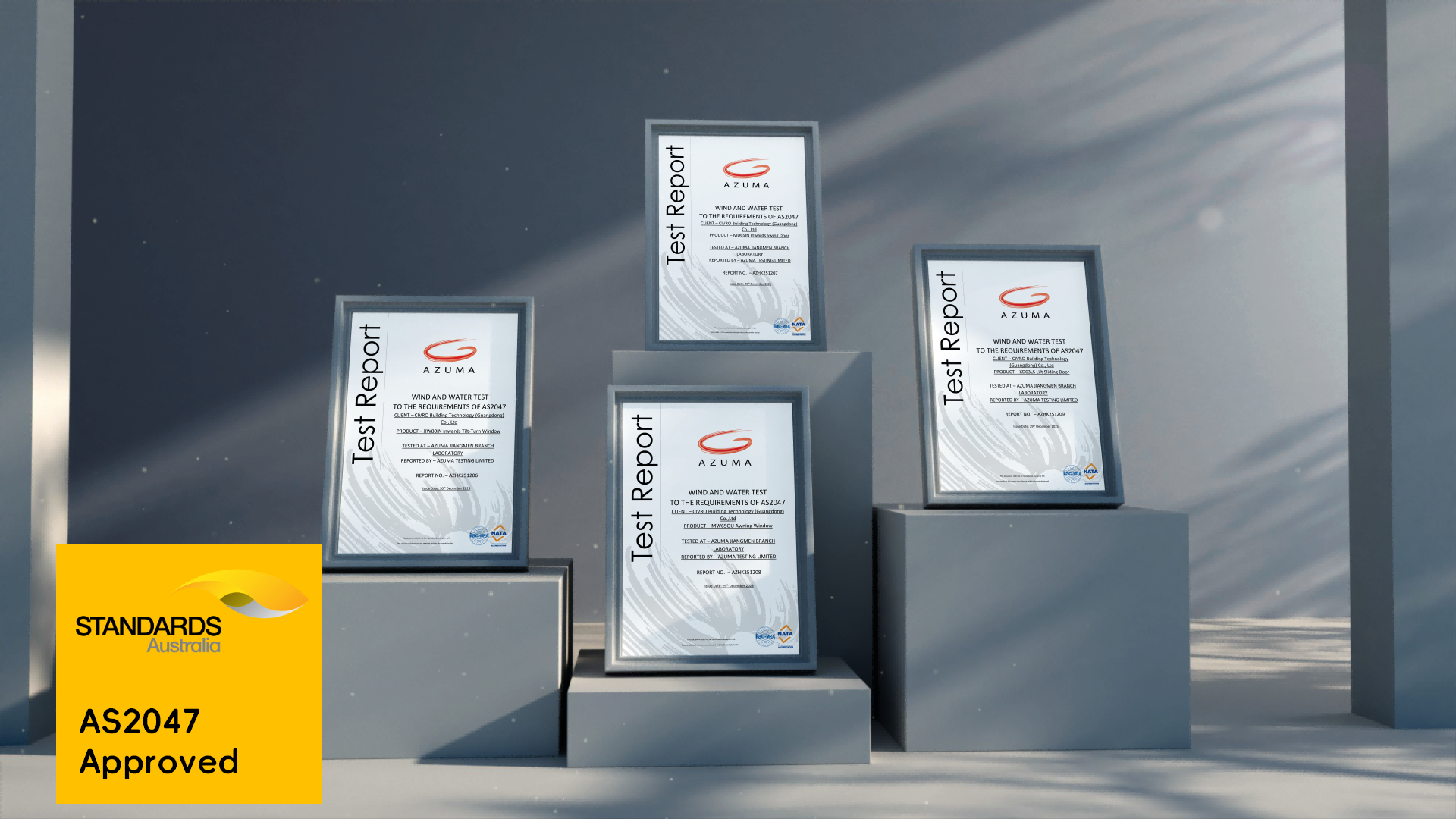
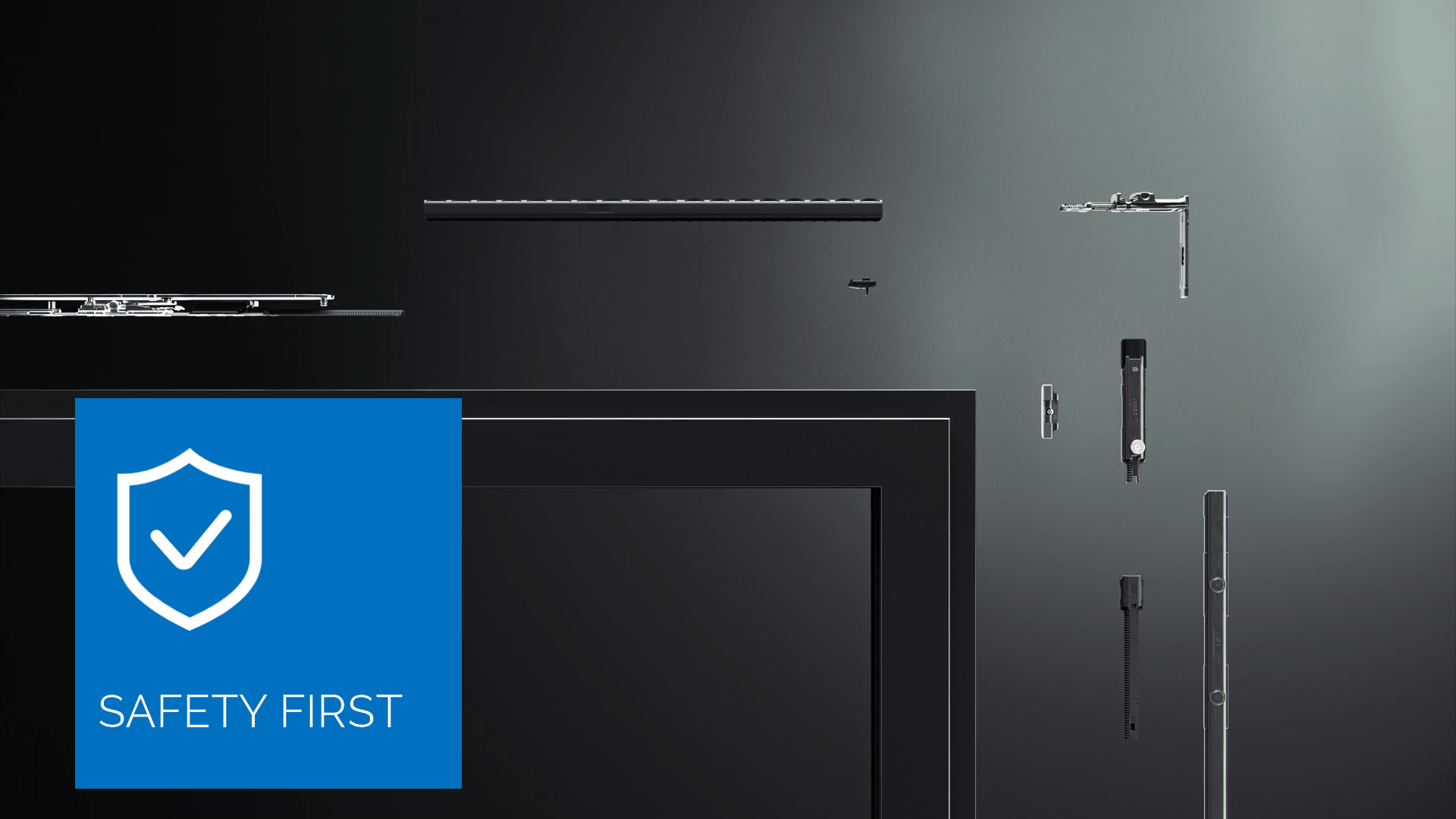
Safety is delivered as a systems solution: extreme wind-load resistance verified through typhoon-level testing, heavy-duty hardware capable of supporting loads in excess of 200 kg, and child-safe tilt-limit features are examples of design choices that protect occupants without compromising aesthetics.
Personalisation is rising too - from classic tones to the softer Morandi palette — enabling fenestration to become an expression of an occupant’s taste as well as a performance product.
A Sustainable Future: Responsibility Across the Full Lifecycle
The highest value of premium windows and doors lies in lifecycle sustainability. That means looking beyond operational energy savings to manufacturing carbon footprint, material recyclability and long-term durability.
Third-party environmental declarations (for example, EPDs) are increasingly used to demonstrate environmental credentials. Longer service life - achieved through high-quality hardware, corrosion protection and robust design - plus higher recycled-content rates and ease-of-disassembly for recycling are essential to close the loop in a circular-economy future.
CIVRO in Practice: Systems Thinking That Builds Better Interfaces
At CIVRO we see premium windows and doors as the “premium interface” connecting people, buildings and nature. Our approach is rooted in systems thinking:
Systematic performance delivery: we optimise every component - profiles, thermal breaks, seals and hardware - so the assembled system achieves meaningful performance gains.
Contextualised technology deployment: we tailor solutions to local climates and building types and support projects end-to-end through measurement, installation and aftercare via an international service network.
Long-term value orientation: durability, serviceability and low whole-life environmental impact are central to our product strategy.
The end of 2025 marks the close of a technical maturation phase and the opening of a new era of intelligent, green and human-centred façades. Tomorrow’s windows will breathe, think and empower buildings to be healthier, quieter and more efficient.
Choosing a truly premium window system is choosing a more efficient, healthier and more harmonious way of living - a commitment to a more sustainable built future that reflects the best of collective knowledge and ongoing innovation.