The right window for the right space — balancing performance, comfort, aesthetics and cost efficiency.
Not every space requires the highest-specification window system. Truly intelligent window and door design begins with understanding how people live, how spaces function, and where performance actually matters.
In Episode 3 of CIVRO’s “7 Key Dimensions” series, we explore how architects and homeowners can select the most suitable window and door systems according to room type, ventilation requirements, façade aesthetics, safety expectations and budget efficiency. From bedrooms and kitchens to panoramic living spaces and stairwells, choosing the correct typology improves comfort, usability and long-term value - while avoiding unnecessary overspecification.
This is where rational design becomes competitive design.
Balcony & Bedroom Windows
Prioritising comfort, airtightness and everyday usability.
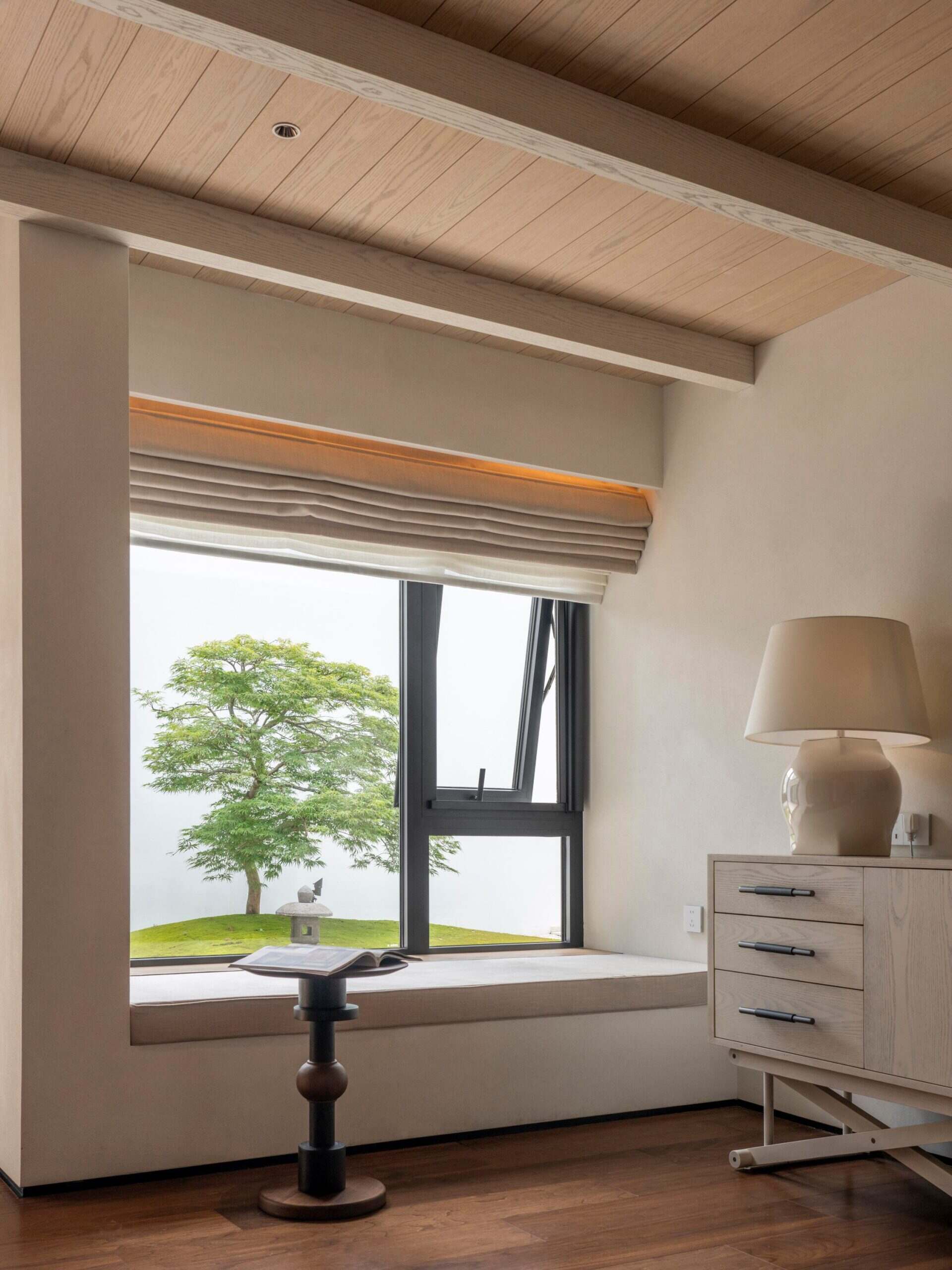
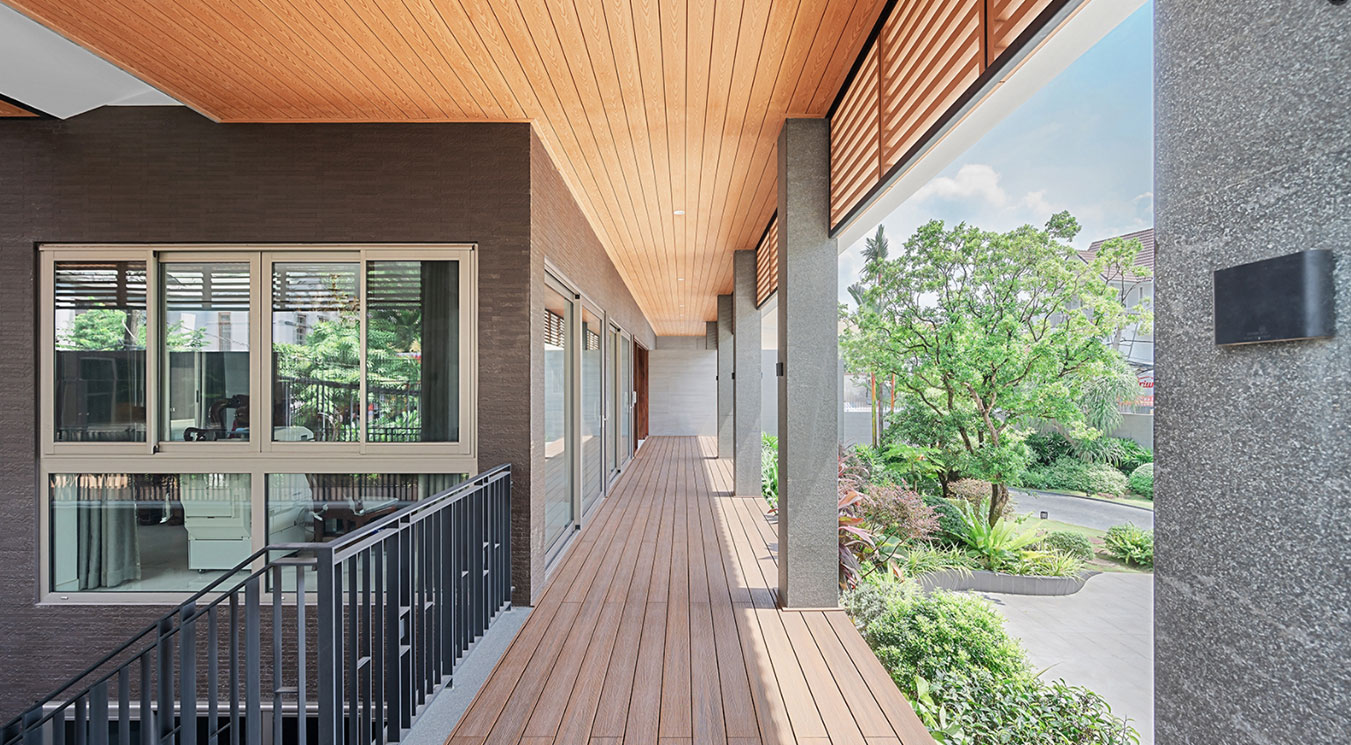
For balconies and bedrooms, inward-opening tilt-and-turn windows or inward windows are typically the preferred solution in premium residential projects. In certain façade conditions, outward-opening systems may also be suitable.
Compared with sliding systems, inward-opening casement windows generally provide:
Better airtightness and water tightness
Higher acoustic insulation performance
Improved thermal insulation
Safer operation in high-rise applications
Easier cleaning and maintenance
These systems also support the large ventilation requirements expected in bedrooms and living areas.
For projects with exceptional exterior views, slim-profile systems can further enhance visual openness and façade elegance. Systems such as the CIVRO PW80 inward/outward opening series allow architects to maximise glazing ratios while maintaining structural performance. Integrated guardrails and insect-screen configurations can also be incorporated into the system design.
For high-rise residential projects, integrated window-and-screen systems are strongly recommended. CIVRO XW90 / XW100 / XW115 / XW125 integrated screen systems combine:
Insect protection
Additional security
Cleaner façade appearance
Simplified operation
Improved user convenience
This integrated approach is increasingly preferred in premium apartments across Southeast Asia, the Middle East and Australia, where ventilation and insect control are both critical design considerations.
Bathroom Windows
Compact openings require ventilation-focused solutions.
Bathroom windows are typically smaller and vertically proportioned, requiring solutions that prioritise ventilation efficiency, privacy and safe operation.
Top-hung awning windows are commonly the most practical solution for these spaces, such as:
CIVRO XW55 Series
CIVRO XW65 Series
CIVRO MW65 Series
Outward top-hung operation allows ventilation during rain while preserving privacy.
Because bathroom windows are often installed above fixtures or at difficult reaching heights, careful consideration must be given to operational safety. When the opening angle exceeds approximately 15 degrees, window restrictors or limiters are recommended to improve safety during operation and maintenance.
In humid climates such as Singapore, Thailand, Vietnam and the UAE, bathroom window design should also consider:
Corrosion-resistant hardware
Condensation control
Long-term sealing durability
Easy-clean frame detailing
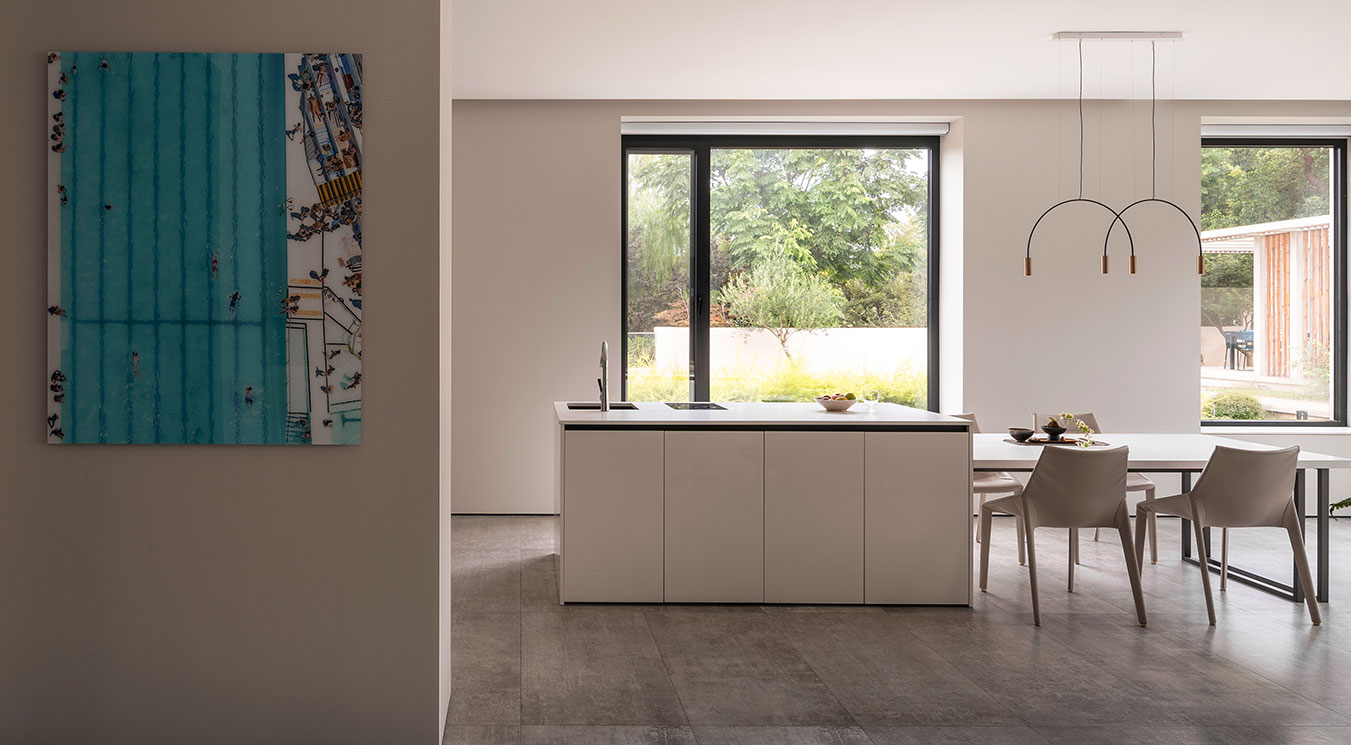
Kitchen & Dining Area Windows
Design should respond to furniture layout and user movement.
Kitchen window design should never be standardised. The correct solution depends on:
Window opening size
Kitchen layout
Cabinet configuration
Faucet position
Ventilation requirements
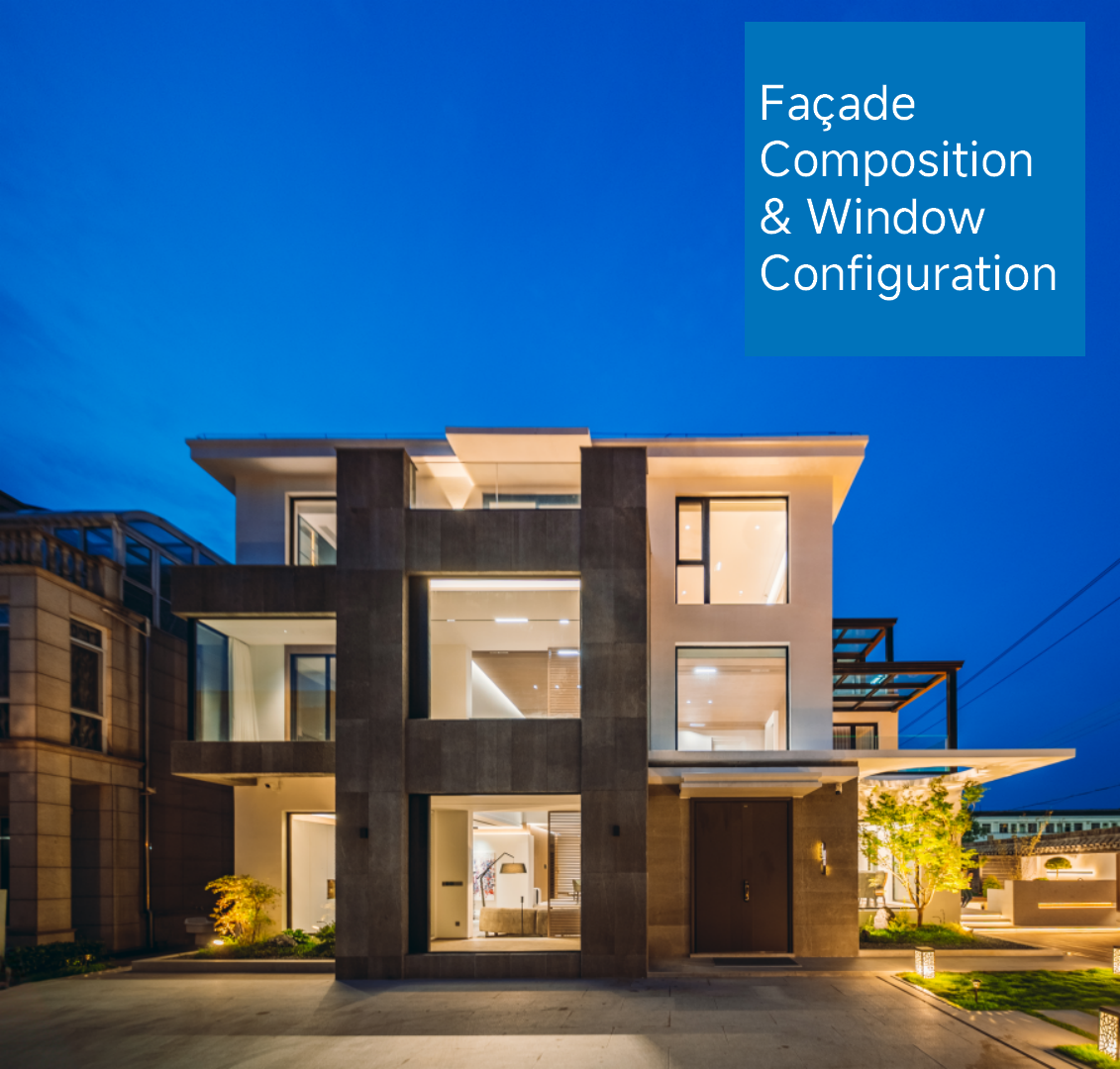
Exterior façade composition
Suitable systems may include:
AW55SS Sliding Window Series
XW65 Inward/Outward Casement Series
MW65 Casement Series
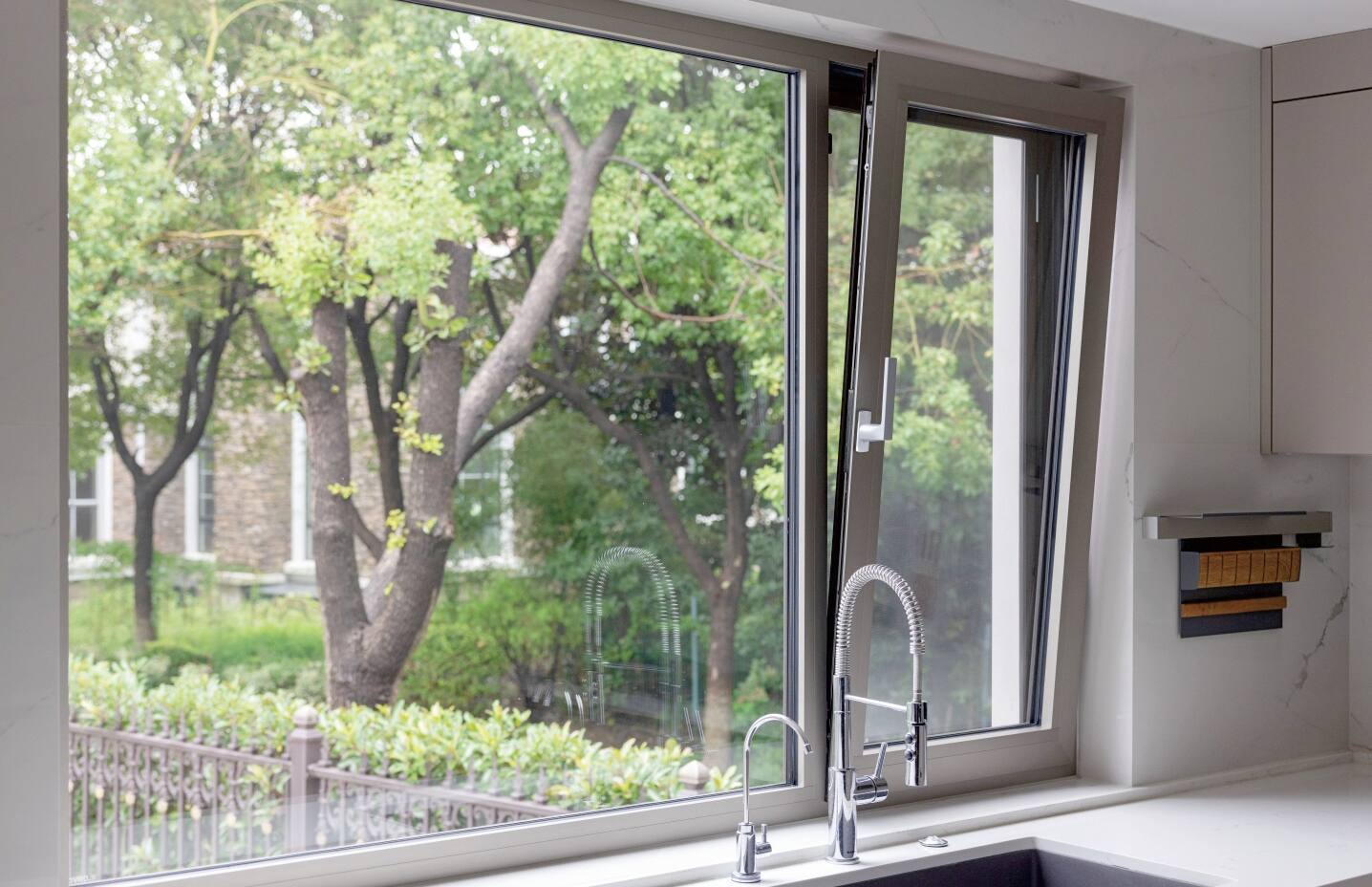
One of the most overlooked aspects in kitchen design is the relationship between windows and custom cabinetry.
General planning logic includes:
Where there is no countertop obstruction:
Casement windows are often preferred for better ventilation and sealing performance.
Where faucets or cabinets obstruct operation:
Top-hung awning windows or sliding windows become more practical and safer for daily use.
When inward-opening windows are used:
Designers should carefully check faucet clearance and countertop depth. In some cases, adding a fixed lower panel can improve usability while preventing hardware collision.
This level of detail significantly improves the daily experience of the space while reducing long-term maintenance issues.
Stairwell & Corridor Windows
Practicality and maintenance efficiency matter most.
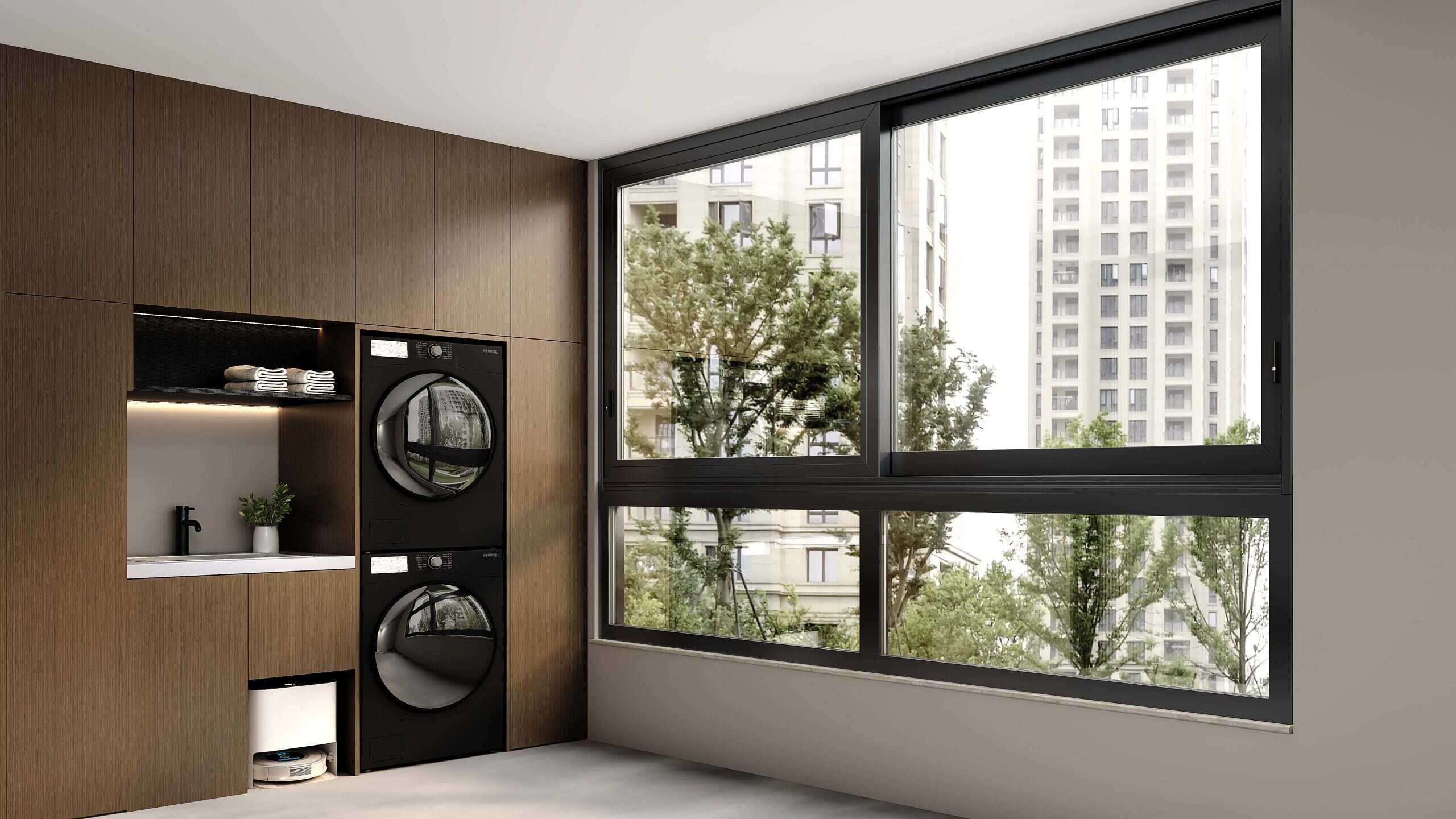
For stairwells and corridor spaces, sliding windows are often the most economical and practical solution.
Recommended systems include:
CIVRO AW55SS Sliding Window
CIVRO MD45SS Sliding Window
Compared with casement systems, sliding windows offer several practical advantages in circulation spaces:
No interference with interior or exterior movement
Reduced collision risk
Lower maintenance complexity
Better space efficiency
More economical overall cost
These characteristics make sliding systems particularly suitable for secondary functional spaces where ventilation is needed but premium operability is not essential.
Kitchen, Living Room & Study Partition Doors
Large-opening systems improve flexibility and spatial flow.
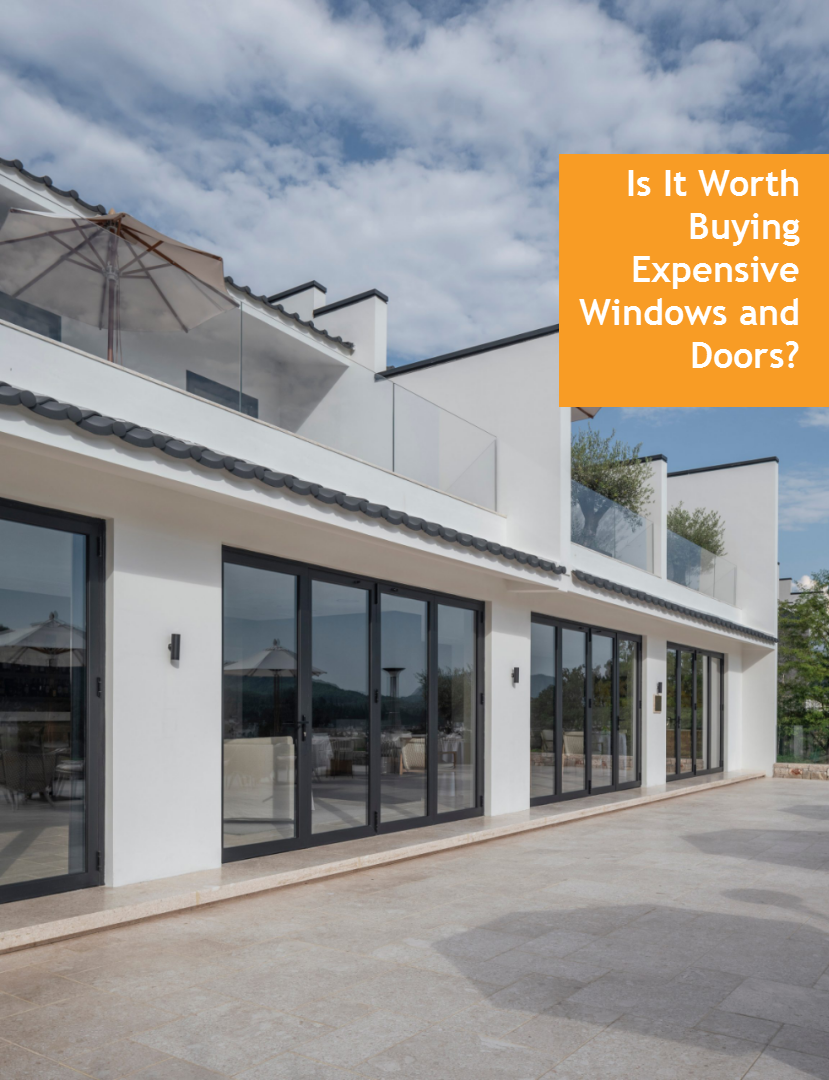
For internal-external transition areas or large openings between living spaces, sliding systems are typically the preferred choice.
Recommended systems include:
CIVRO MD45SS Sliding Door
CIVRO XD63 Lift-Sliding Door
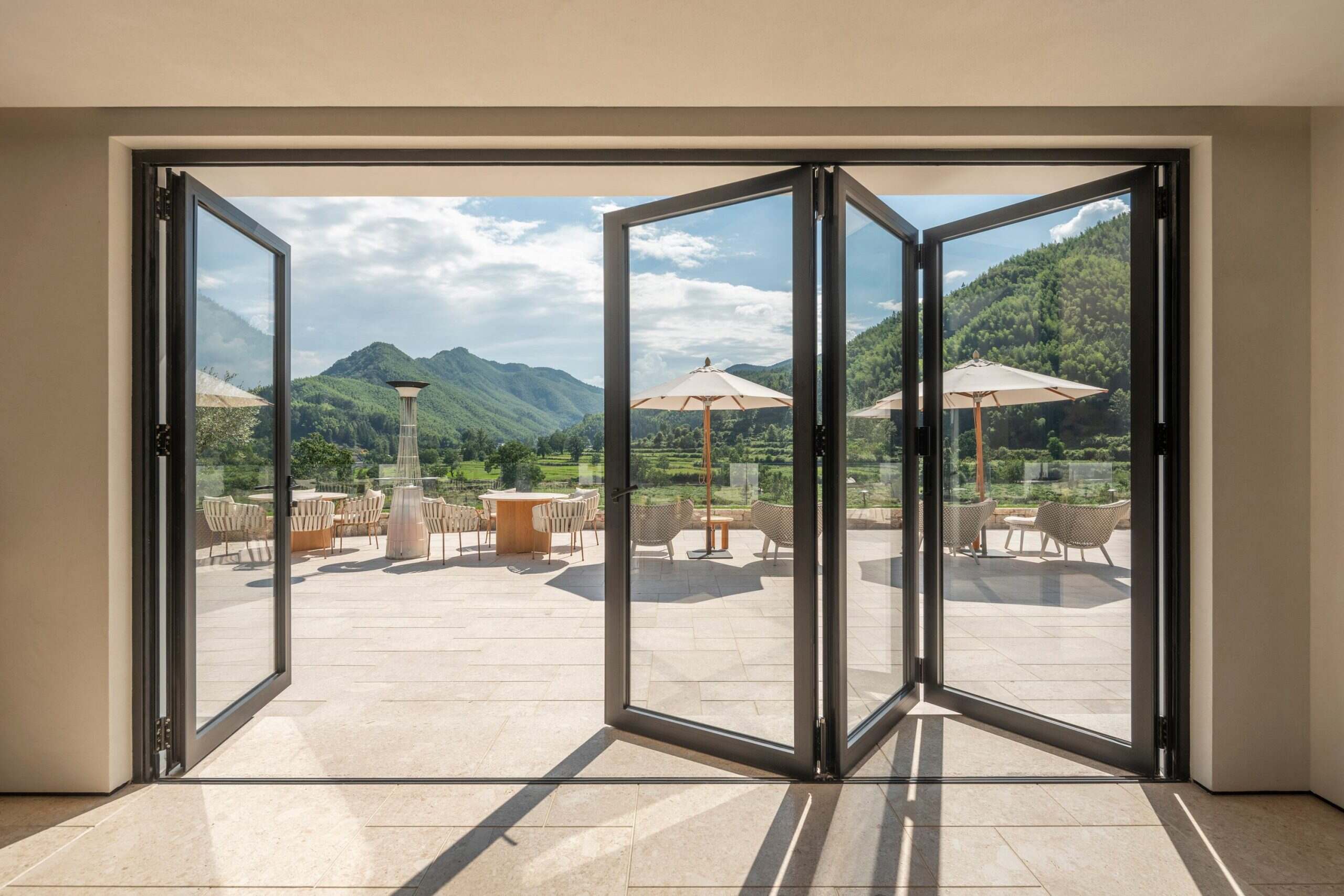
CIVRO AD80FD Folding Door
Compared with traditional hinged doors, large-opening sliding systems provide:
Better circulation efficiency
Wider opening areas
Improved indoor-outdoor connectivity
More flexible space usage
Higher-end visual appearance
Lift-sliding systems are especially suitable for premium residences where large panels, smooth operation and panoramic views are priorities.
Folding systems become particularly effective for entertainment-focused spaces requiring maximum opening width and flexibility.
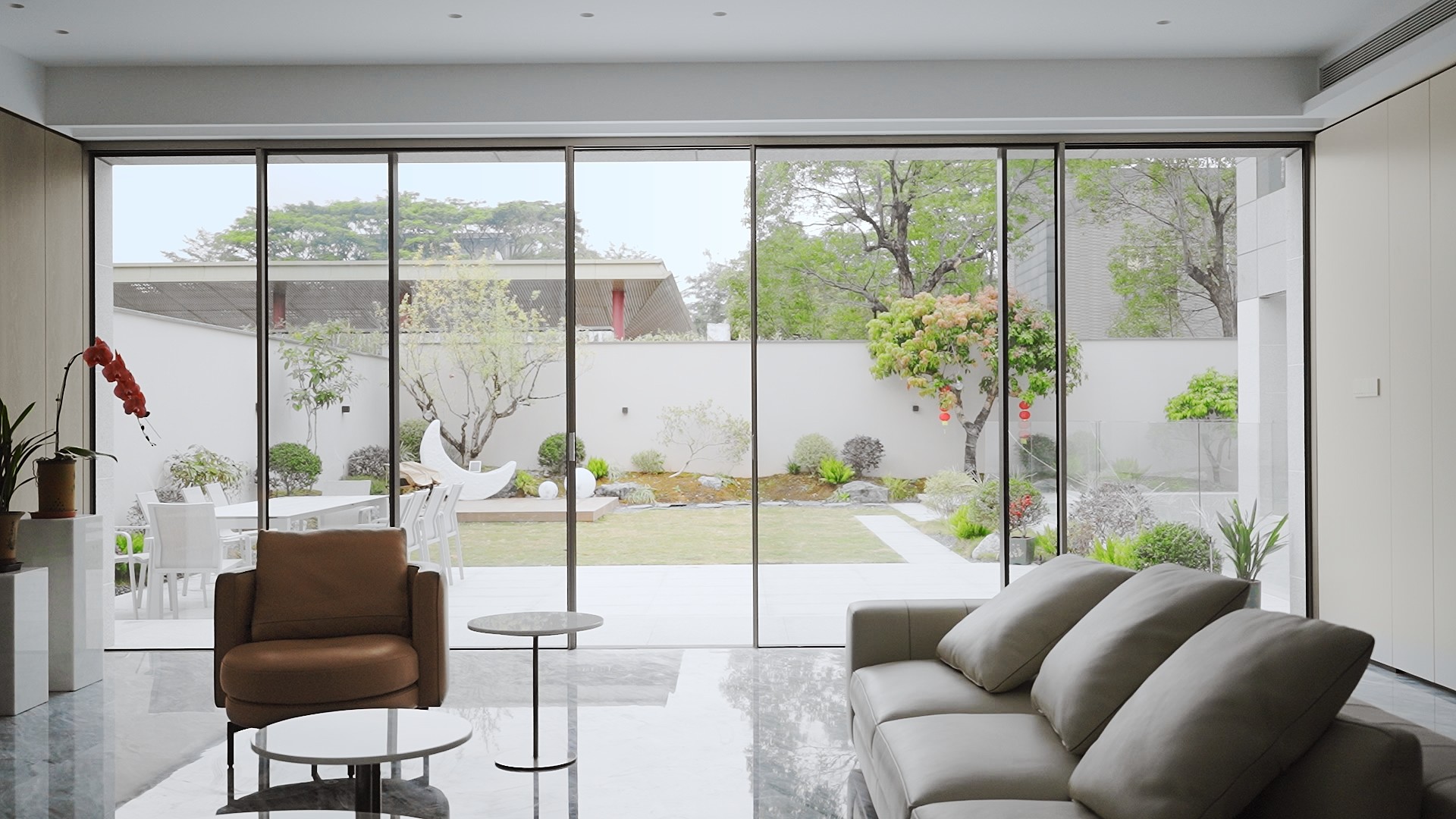
Panoramic View Openings
Minimal structure, maximum visual experience.
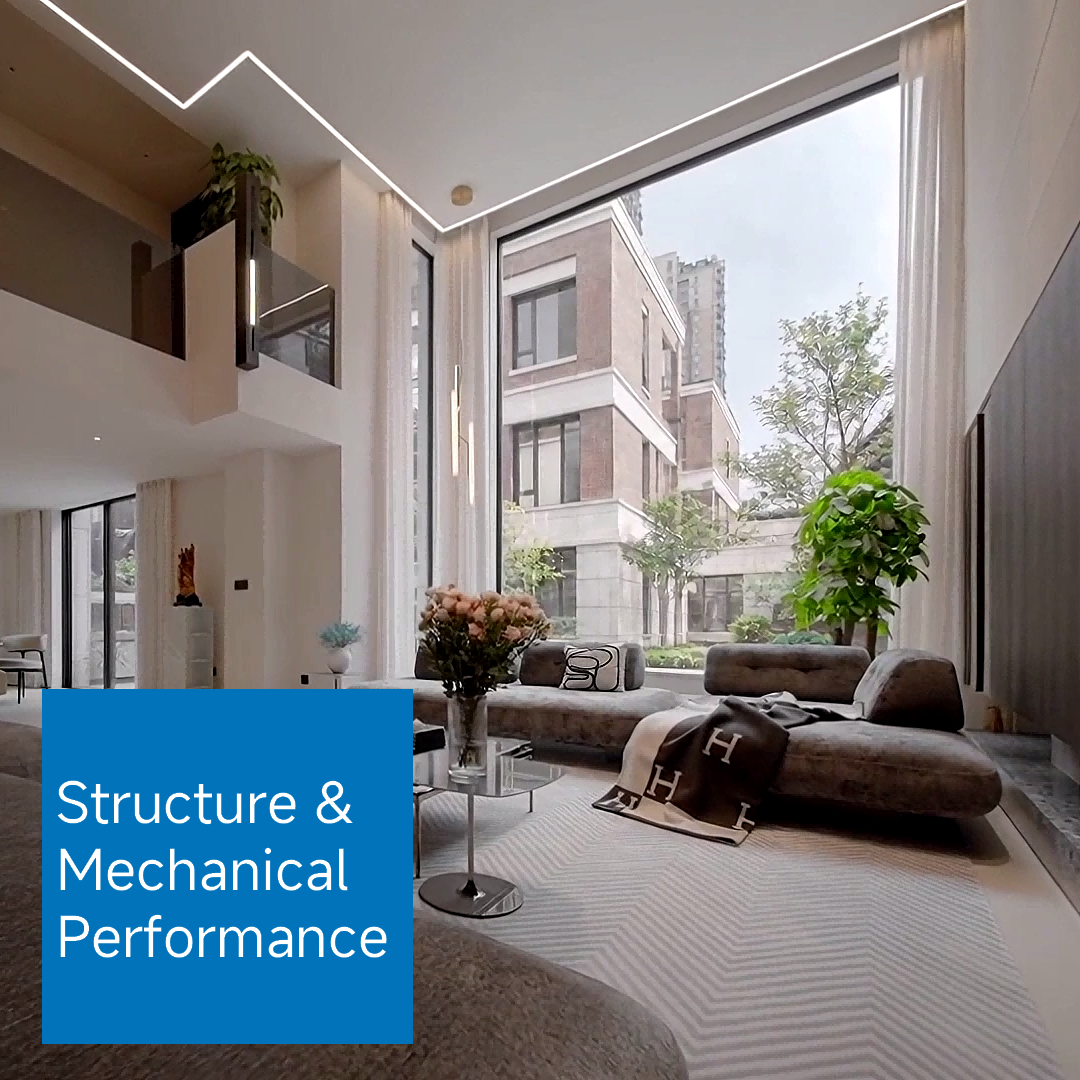
For luxury living rooms, villas and high-view projects, panoramic openings should prioritise uninterrupted visual connection.
Recommended solutions include:
CIVRO Enfini Pro PD65SS Slender Frames Sliding Door
CIVRO-ORAMA UD137SS Sliding Door
CIVRO AD80FD Folding Door
Key design characteristics include:
Minimal visible framing
Large glazing dimensions
Heavy-duty sliding capability
Panoramic opening experience
Indoor-outdoor integration
In high-value architectural projects, narrow-profile panoramic systems have become a defining feature of modern luxury living.
However, achieving these visual effects requires careful balancing of:
Structural performance
Wind load resistance
Glass specification
Thermal performance
Water tightness
Operational weight management
True panoramic design is therefore not only aesthetic - it is an engineering exercise.
Rational Selection Creates Better Design
High-end window and door design is not about specifying the most expensive system everywhere.
It is about selecting the right solution for the right space.
When architects fully understand occupant behaviour, room function, façade composition and performance priorities, they can create window and door solutions that are:
More comfortable
More functional
More visually coherent
More economical
More competitive in the market
This balance between performance, aesthetics and practicality is what defines truly refined architectural design.