Safety is the non-negotiable layer underneath every premium window and door solution. In this second episode of our “7 Key Dimensions” series, CIVRO outlines practical, code-aware design measures to reduce risk from falls, impact, wind and intrusion - while retaining the elegance and performance expected from high-end systems. Where appropriate we align recommendations with the main regional standards used in our target markets (Australia, Singapore, Japan, UAE, Vietnam, Thailand, India and Europe) so architects and specifiers can quickly map CIVRO solutions to local compliance requirements.
Limiters for Openable Windows (Outward-Opening / Top-Hung)
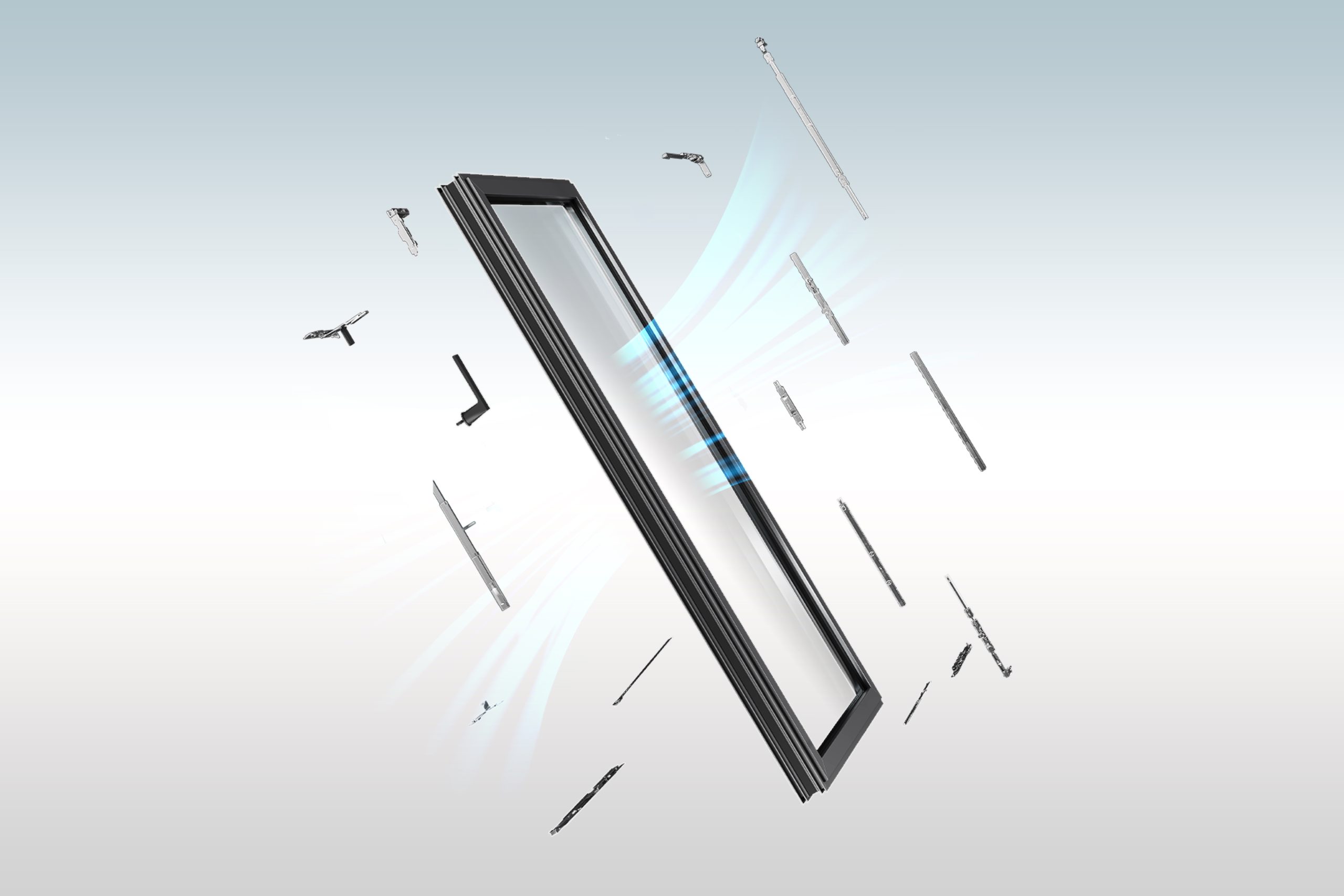
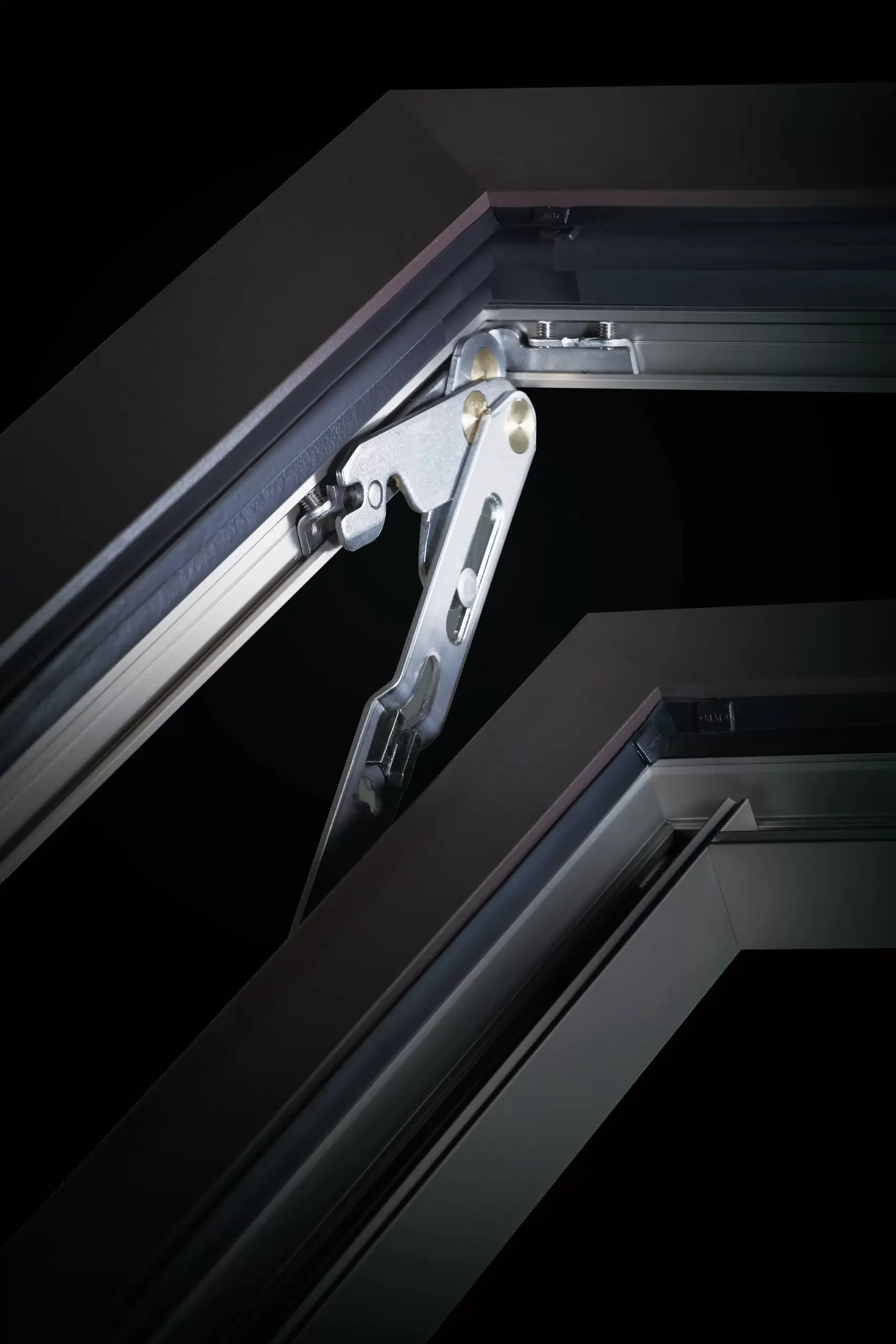
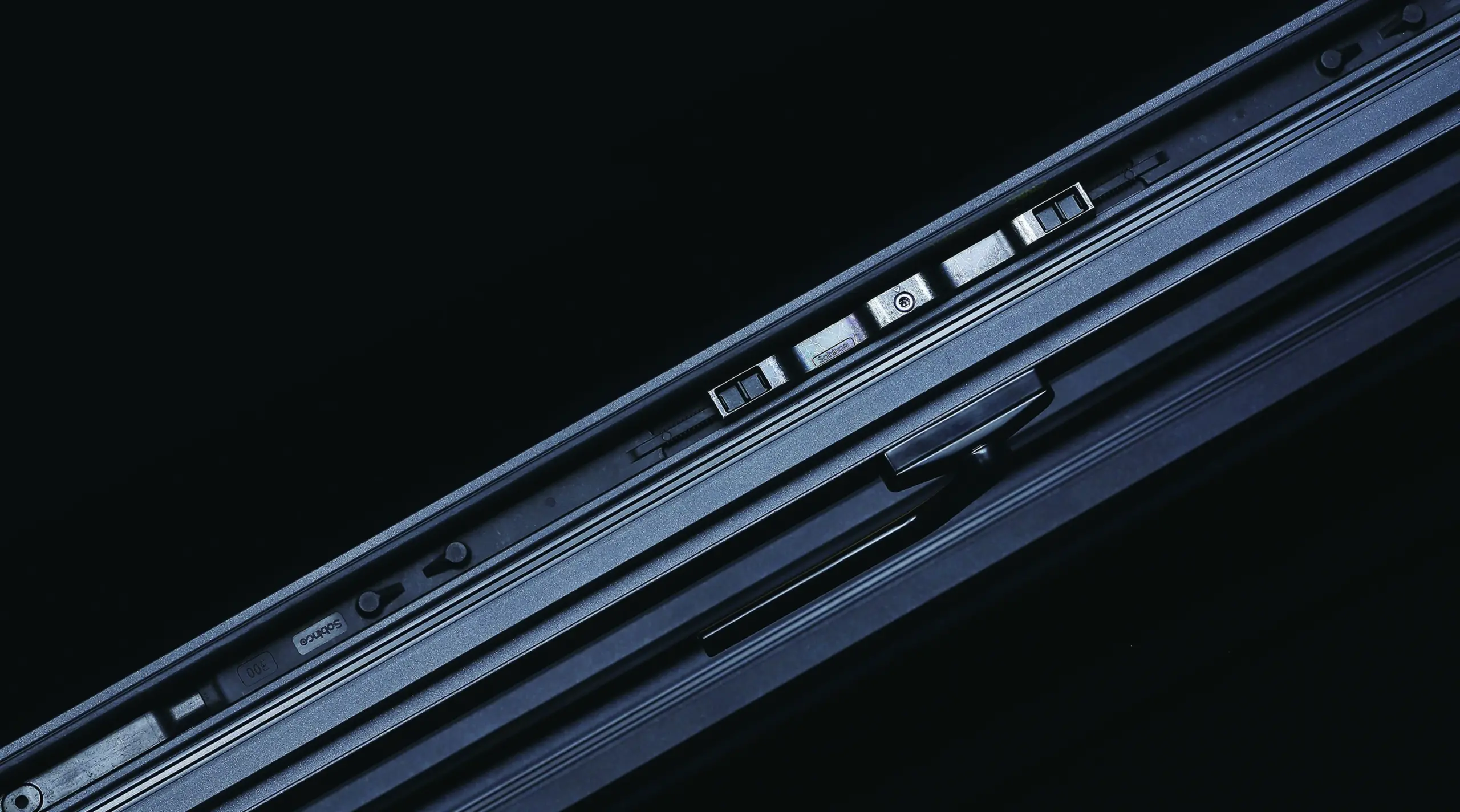
Recommendation: Fit positive mechanical or friction limiters to outward-opening and top-hung windows to restrict opening angles and prevent accidental falls or dropped items from height. For high-rise openings, specify a factory-tested limiter with a defined maximum opening (e.g., 100–150 mm usable opening for cleaning/ventilation, or a tested angle per project risk assessment).
Why: A tested limiter prevents large openings from forming under wind gusts or misuse while retaining ventilation. Many building codes and product standards require evidence of operable hardware performance in test reports.
Minimum Safe Sill Heights and Integrated Guardrails
Independent lower-light (fixed) panels under floor-to-ceiling glazing should normally have a finished height ≥ 900 mm from finished floor level (FFL).
If the lower light is < 900 mm, the opening must be protected by an integral balustrade/guard of minimum 1100 mm height (from FFL) or as required by the local authority. These integrated balustrades may be full-height aluminium with a glazed infill, or a structural glass balustrade system.
Why: The 900 mm threshold is widely used as a practical safety boundary for preventing unintentional falls; below that, a barrier is required to meet life-safety intent in many codes. For high-rise situations, designers typically adopt 1100–1200 mm guard heights depending on jurisdiction and use.
Bay/Box Windows and Sitting Bay (Window Seat) Requirements
For bay windows or any low windows with a seat/platform, ensure that (parapet height + seat/platform height) ≥ 900 mm (FFL basis). Where this is not achievable, add a fixed guard or balustrade or restrict the window type to non-openable glazing. Use continuous fixings and tested anchors for the seat structure.
Why: Combined platform + parapet rules ensure the overall barrier is high enough to protect occupants (children especially) from falls. Local codes often treat these combined elements as a single protective measure.
Glass Size, Thickness and Large Fixed Panels
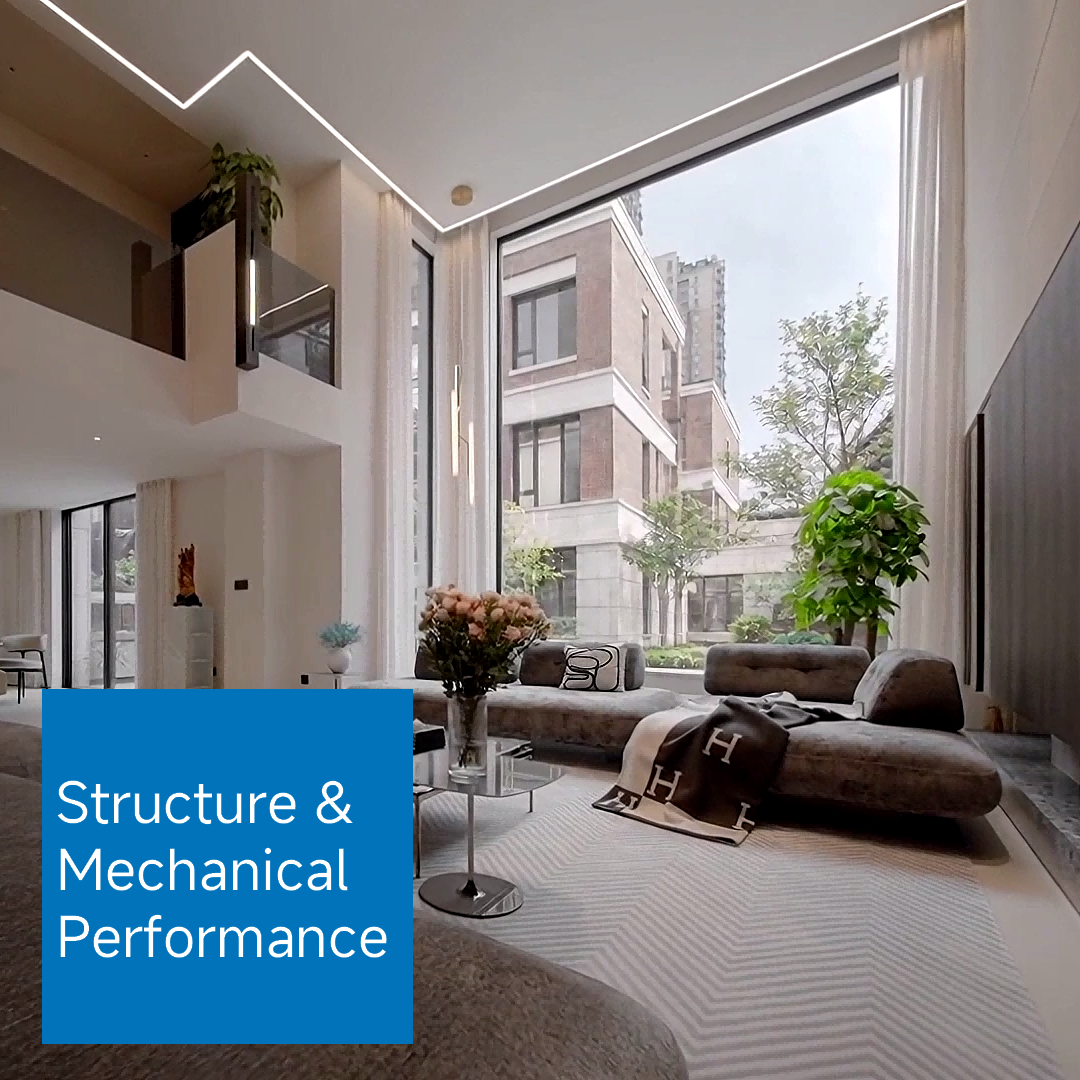
Large fixed panels must be engineered: select glass thickness, laminate construction and edge treatment based on panel area, span, frame restraint and applicable wind/impact loads. Where practicable specify laminated toughened glass for large heights or balcony conditions.
For large glazing panels, consider intermediate reinforced mullions or strengthened mid-rails to reduce unsupported span and allow thinner units while meeting structural and serviceability limits. All design must be supported by calculations (structural, wind-pressure and glass stress) and test evidence.
Child & Pet-Safe Hardware and Locking
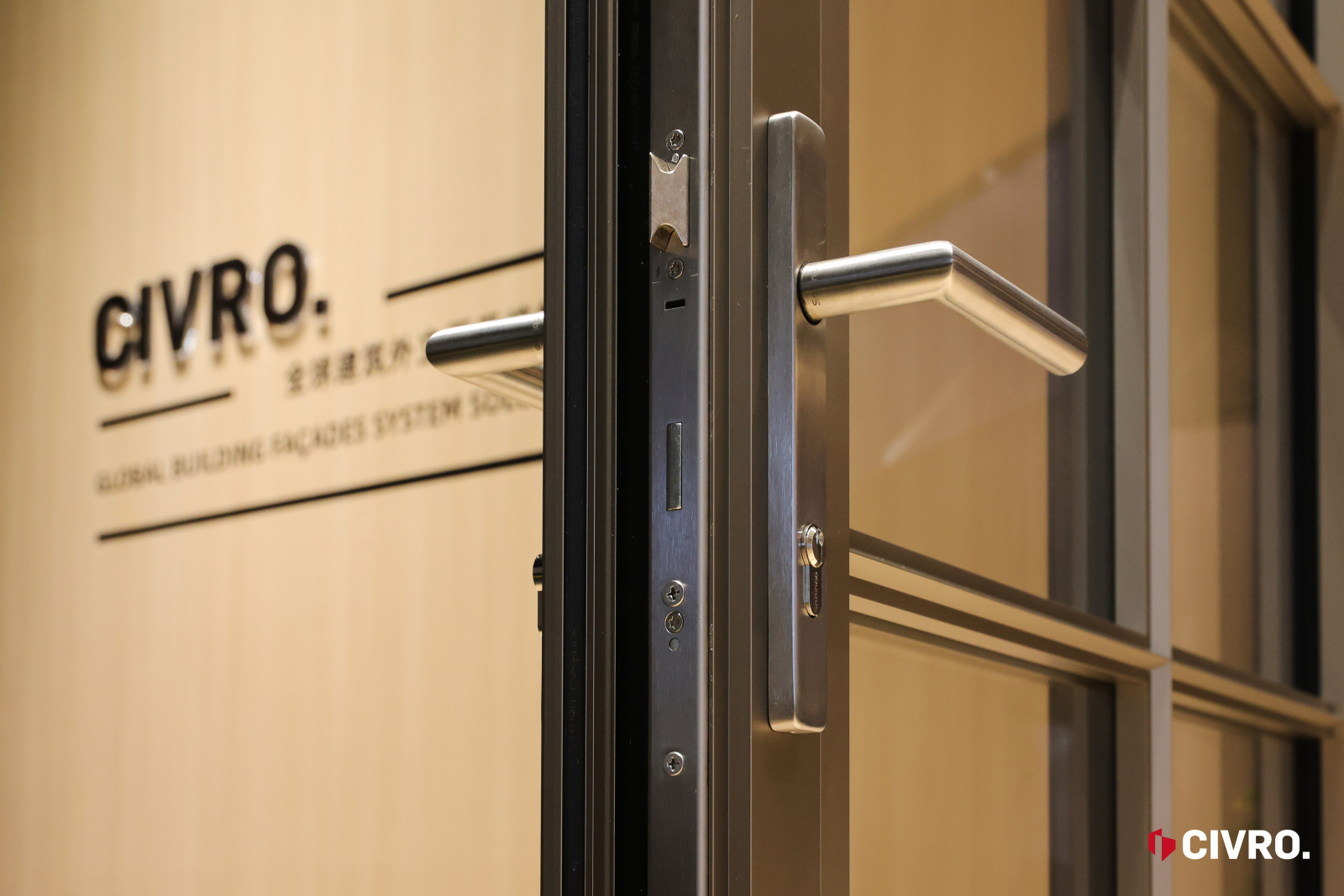
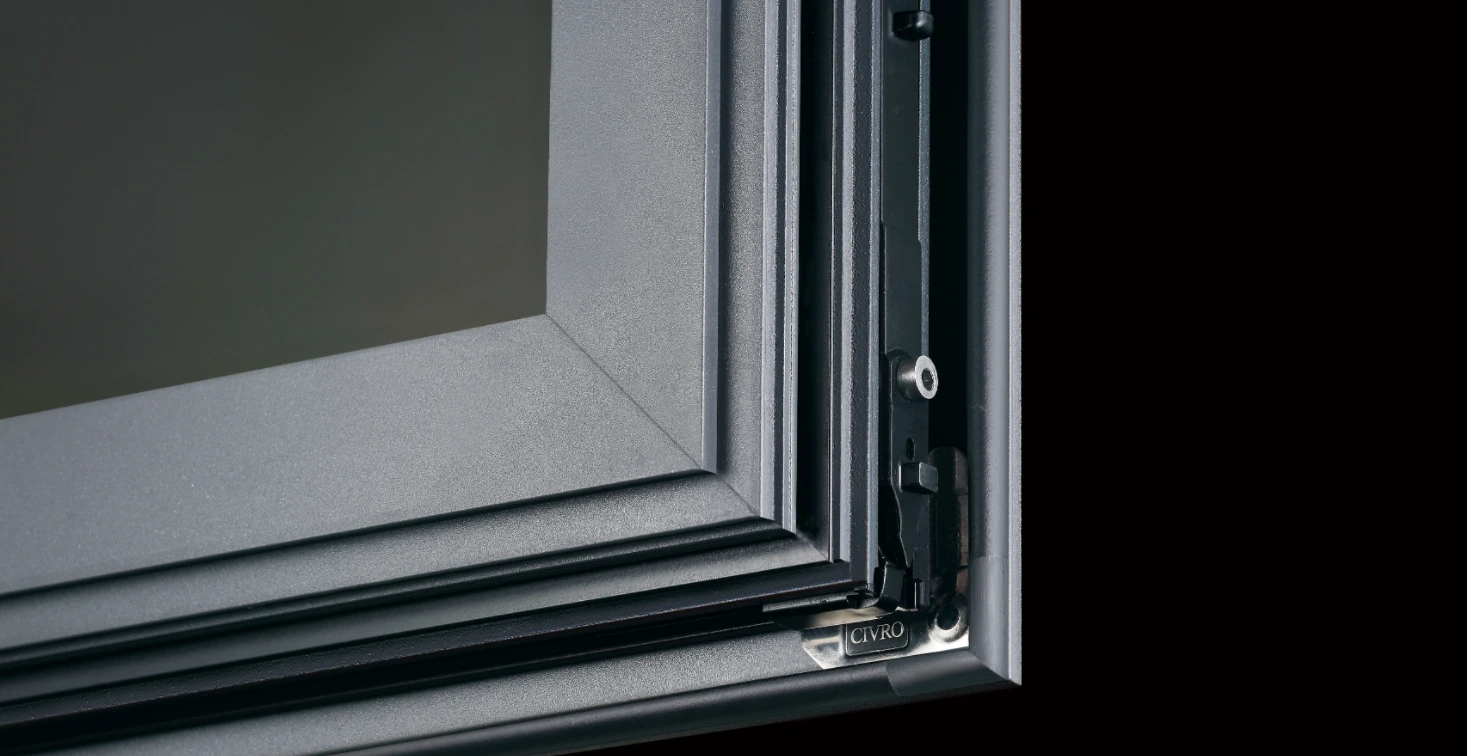
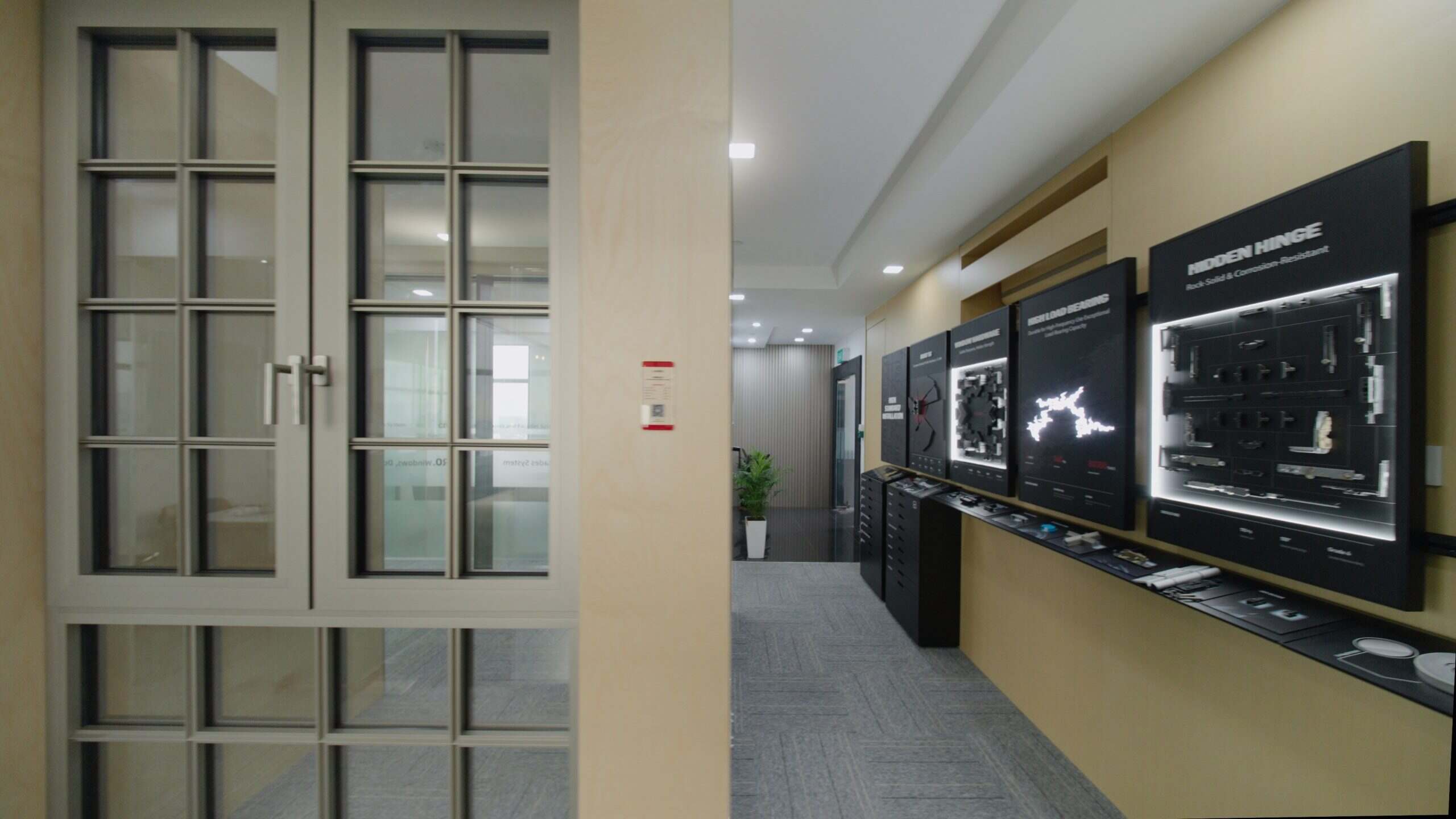
For residential high-rise projects, specify child & pet-safety hardware (child locks, two-stage opening handles, key lockouts) as a standard option for all windows above the ground floor. Use hardware families that provide tamper-resistant operation without impeding fire egress where required by code.
Clearly indicate in shop drawings where child-locks are optional vs mandatory and provide a maintenance and owner-use guide on operation.
Safety Glass Types - Tempered vs Laminated and Minimums
Specify safety glazing (tempered and/or laminated) for all hazardous locations, low-level glazing and balustrades. For high-risk locations (balconies, guardrails, crowded public areas) prefer laminated safety glass with an appropriate interlayer to provide post-breakage integrity.
CIVRO baseline: standard configuration uses toughened glass ≥ 6 mm for general visibility panels, with laminated assemblies for fall protection and acoustic or ballistic requirements as needed. Toughened glass is ~4–5× stronger than annealed glass and breaks into small blunt fragments rather than long shards - laminated glass holds fragments together after breakage.
Additional Safety Considerations (Recommended Best Practice)
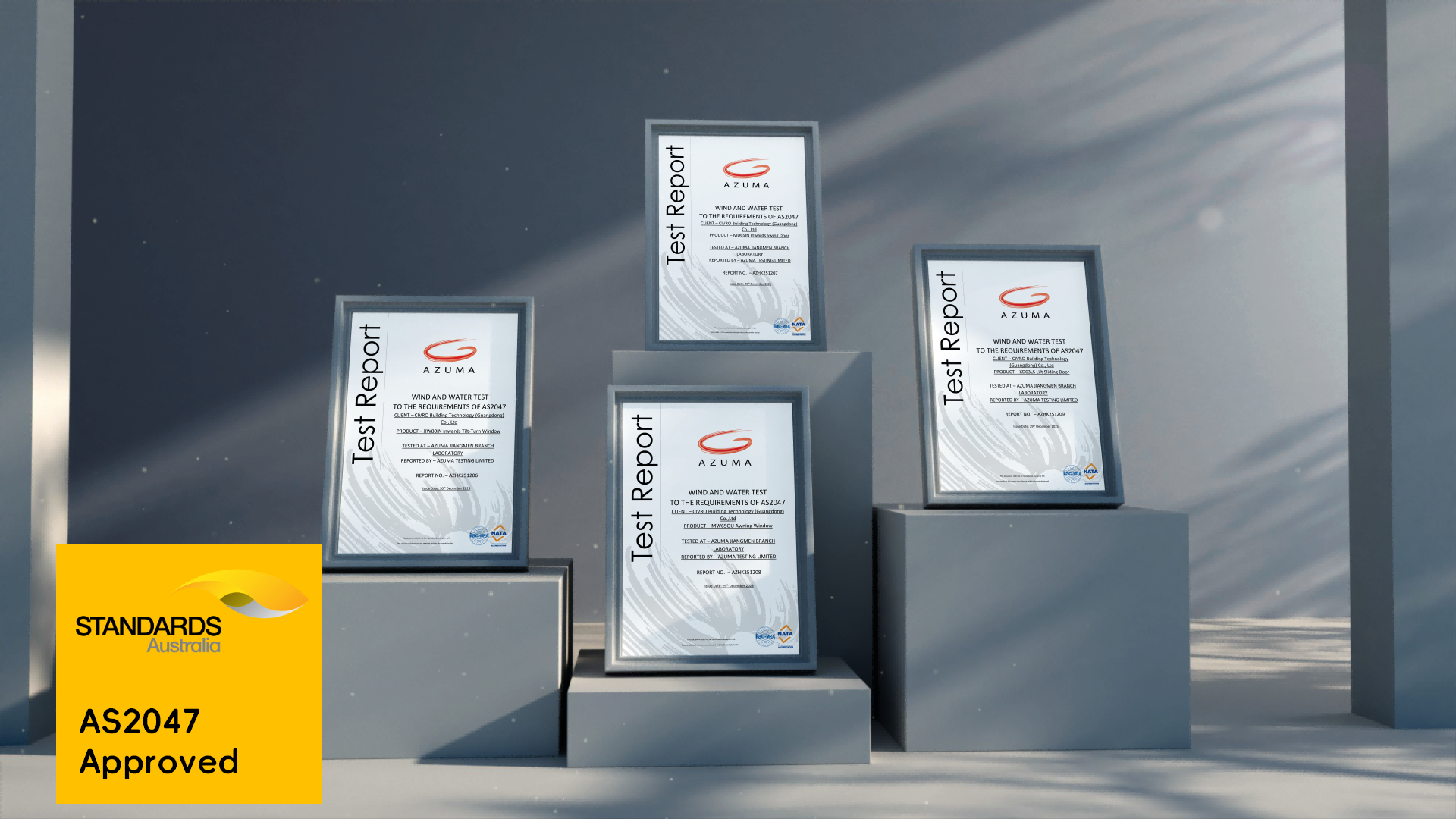
Wind-load and uplift design: Always calculate glass and frame stresses to the local wind code; product testing to national fenestration standards demonstrates compliance (e.g., AS 2047, EN 14351-1).
Edge treatment & toughened fragment behaviour: Specify machine-polished or chamfered edges for touchable panels and balconies. Use laminated toughened glass for areas exposed to human impact.
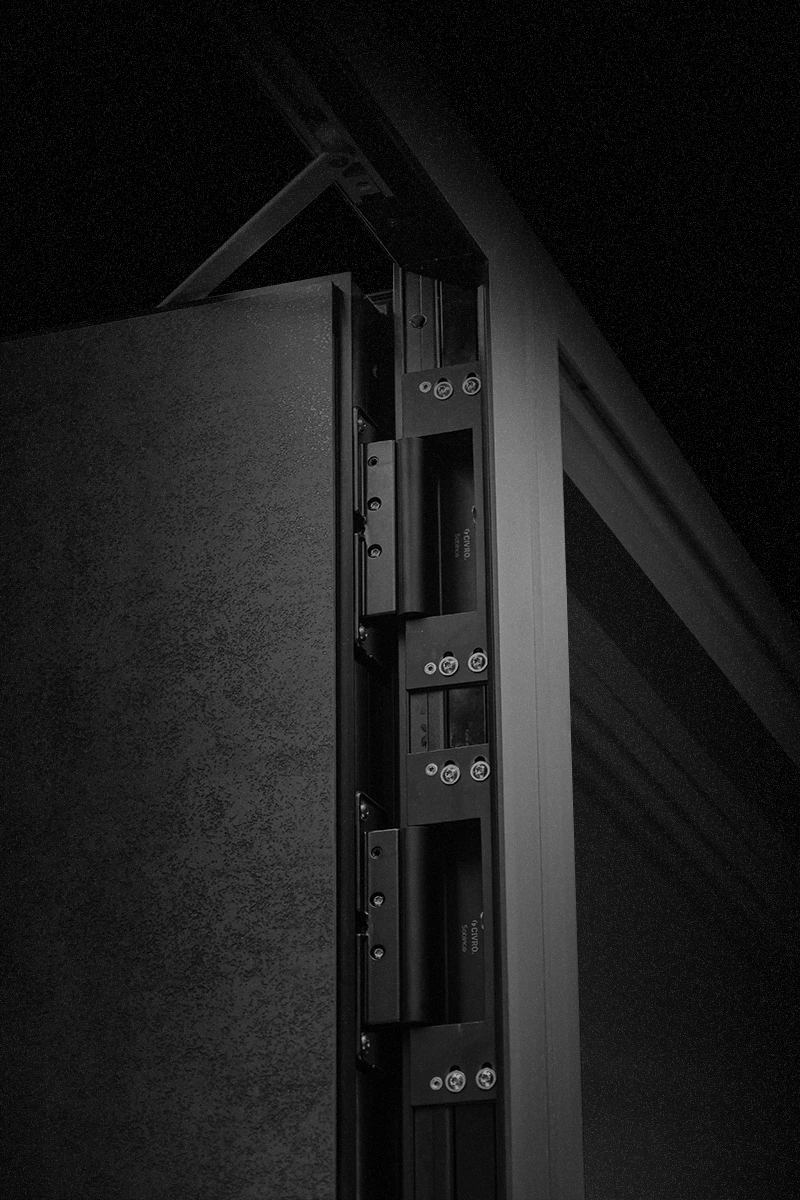
Balustrade fixings & corrosivity: In coastal or high-pollution regions (e.g. Dubai), use corrosion-resistant fixings and tested anchors; include wind and sway allowances per local municipality guidance.
Marking & visibility: Full-height glazing should receive visual markers (decals/etching) as required by local accessibility and universal-design codes (e.g., Dubai Universal Design Code).
Signage & user manual: Provide a site-specific safety sign & user manual explaining child lock operation, limiter settings, and cleaning/maintenance intervals.
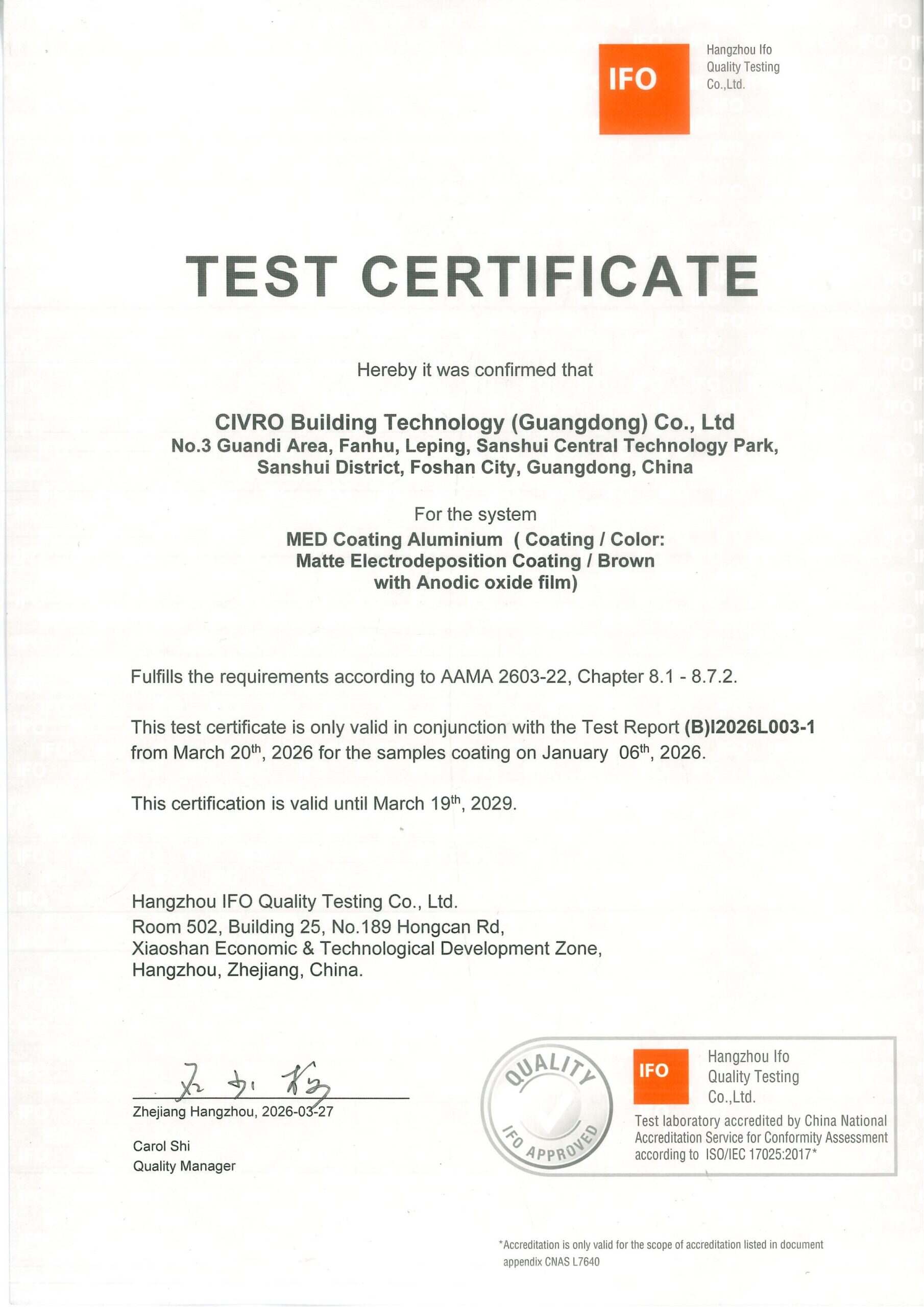
Testing & paperwork: Deliver a compliance pack with test certificates, calculation excerpts, and maintenance guidance mapped to the standard(s) used for the project (include manufacturer certs for glass, hardware and structural anchors).