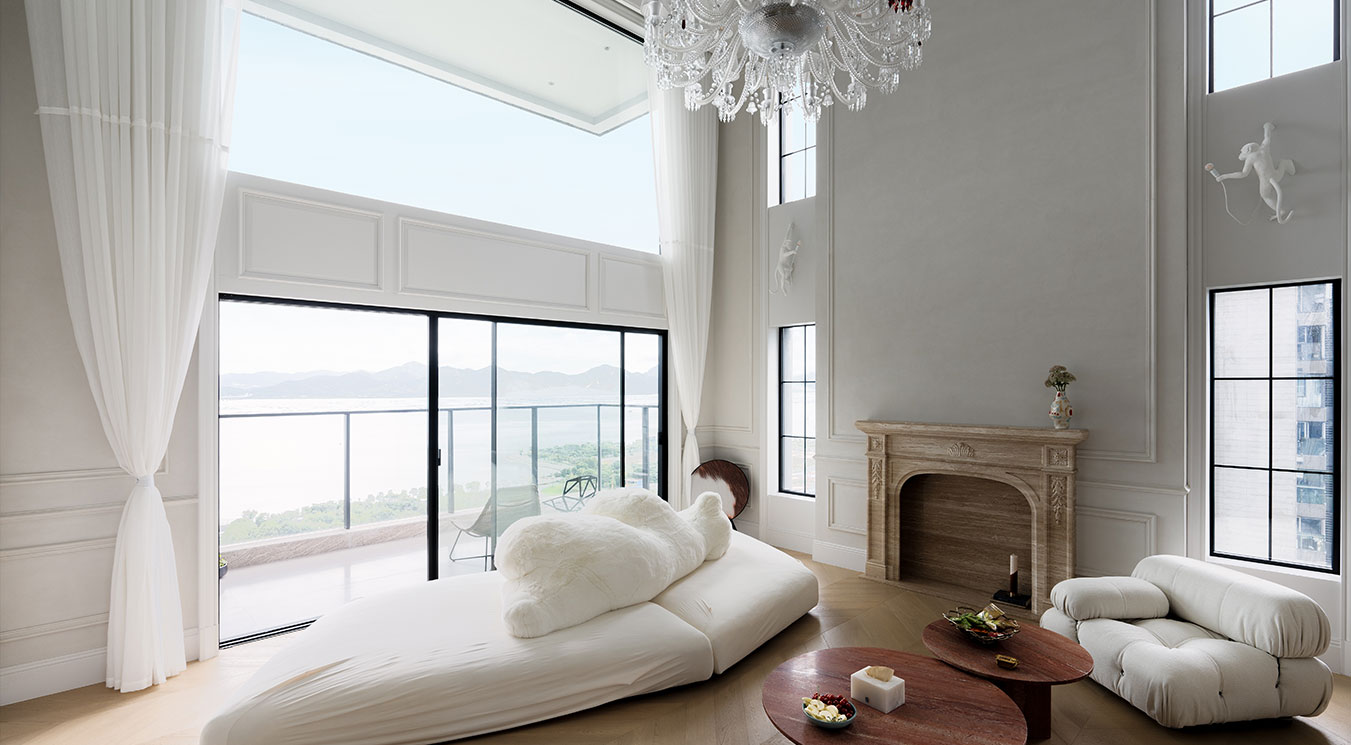
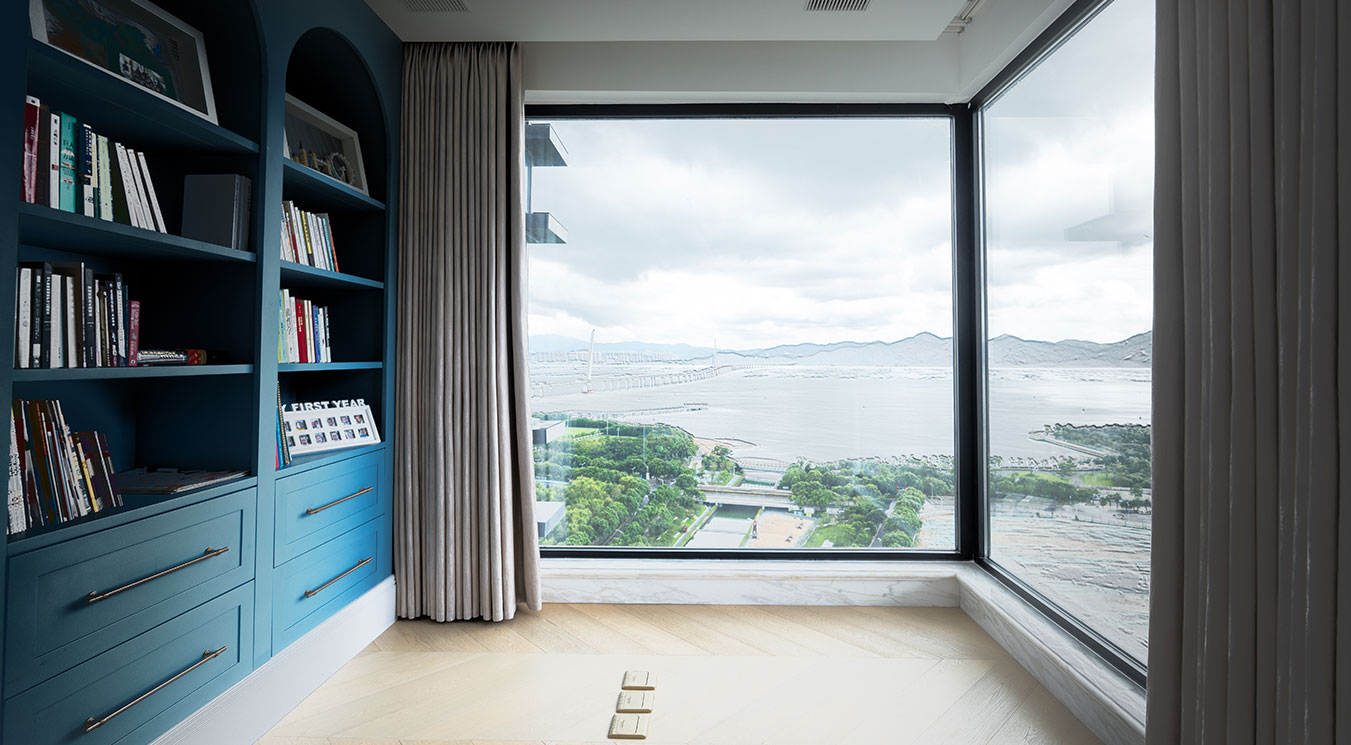
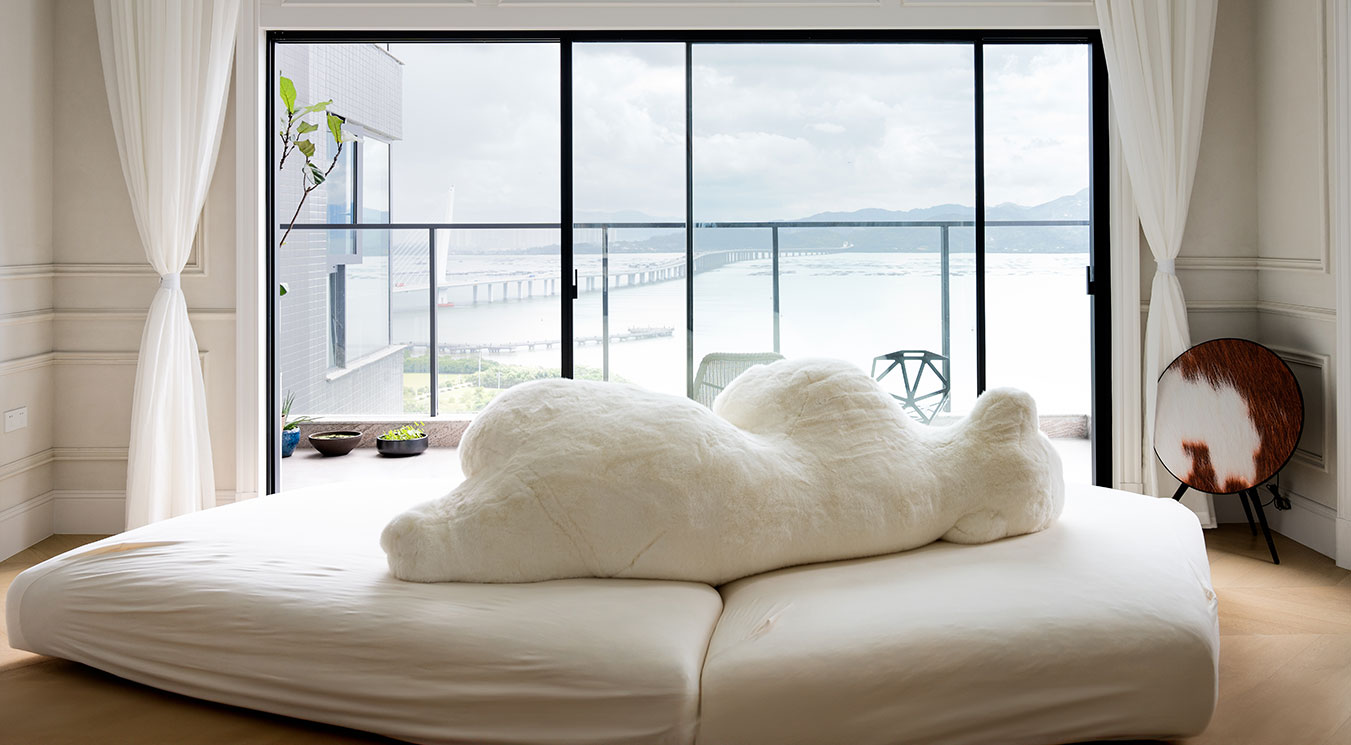
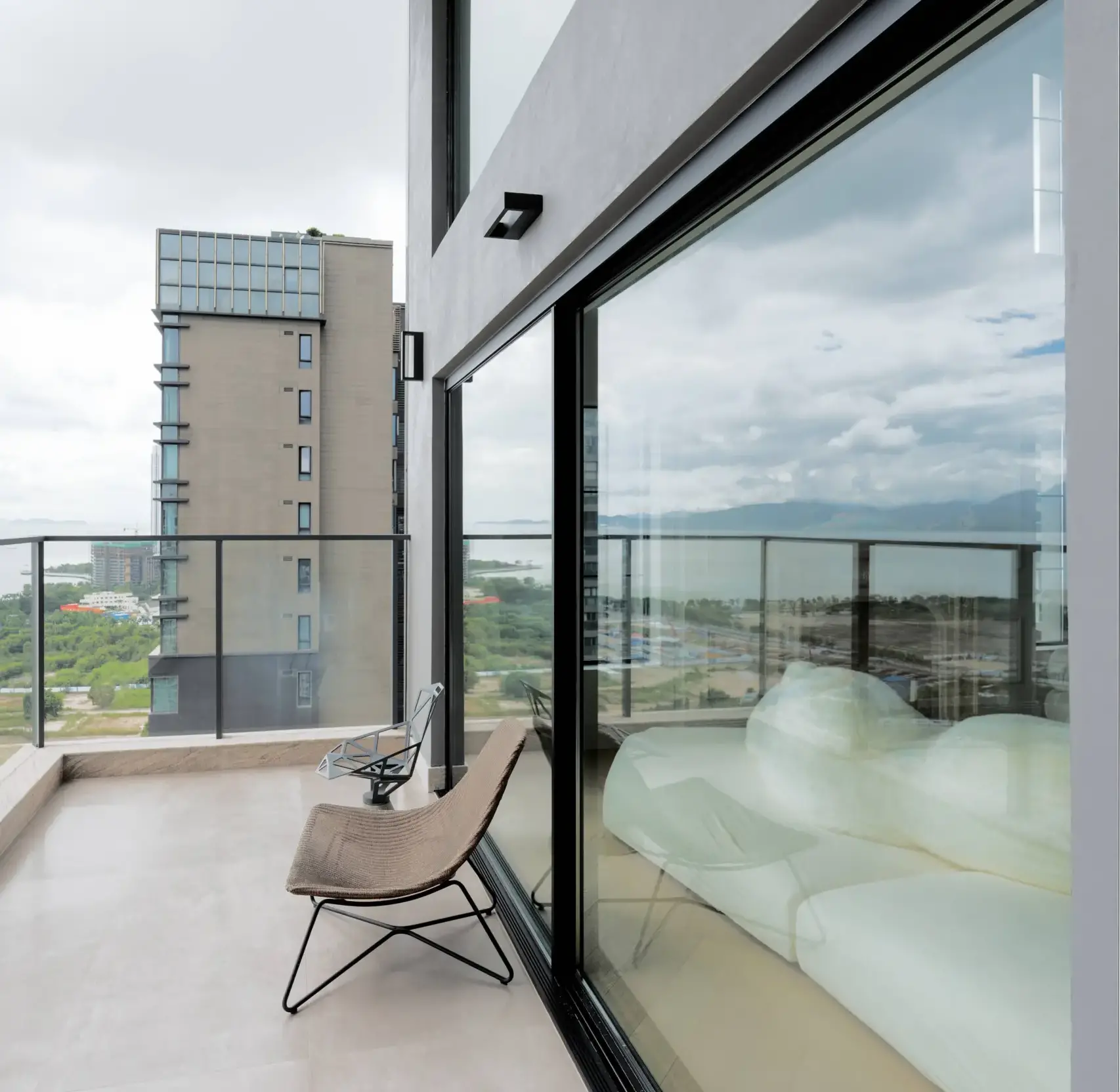
Ergonomics-First Window & Door Design
Designing for real bodies: how CIVRO applies global ergonomic and accessibility standards to make windows and doors that feel effortless, safe and beautiful.
CIVRO today launches the first instalment in its “7 Key Dimensions in High-End Window & Door Design” series, focused on ergonomics. This paper sets out CIVRO’s practical, standards-aware approach to handle heights, sash proportions, reach limits and façade consistency - adapted for mainstream markets including Australia, Singapore, Japan, UAE, Vietnam, Thailand, India and Europe.
Why Ergonomics Matters
Windows and doors are how people interact with the outside world: light, ventilation, views and access. Ergonomic design reduces strain, improves safety, and raises perceived quality. CIVRO combines architectural mechanics, human factors and refined proportions so operability and aesthetics are seamless in high-end homes and projects.
Replacing One-Size Rules With Regional Norms
Instead of a single national datum, CIVRO uses internationally recognised accessibility and ergonomic ranges to set handle heights and operable geometries so products work well for standing and seated users across regions:
Operable hardware heights (recommended range): CIVRO specifies door and window handle centres generally within 900–1100 mm from finished floor level for primary doors and typically 800–1100 mm for window hardware where seated access (wheelchair users) must be supported. These ranges align with accessibility guidance used across Australia and Singapore and are compatible with widely referenced international practice.
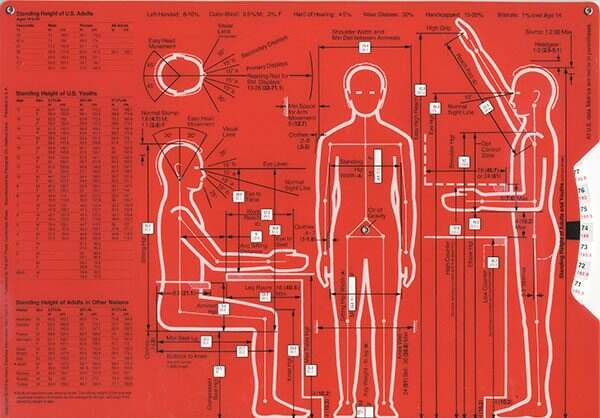
Maximum forward / grasp reach: For seated users, a safe touch reach is typically up to 1100 mm above the floor; forward grasp reach over an obstruction is commonly limited to 500–600 mm. CIVRO uses these reach envelopes when setting handle placement and sash geometry to ensure both standing and seated operation.
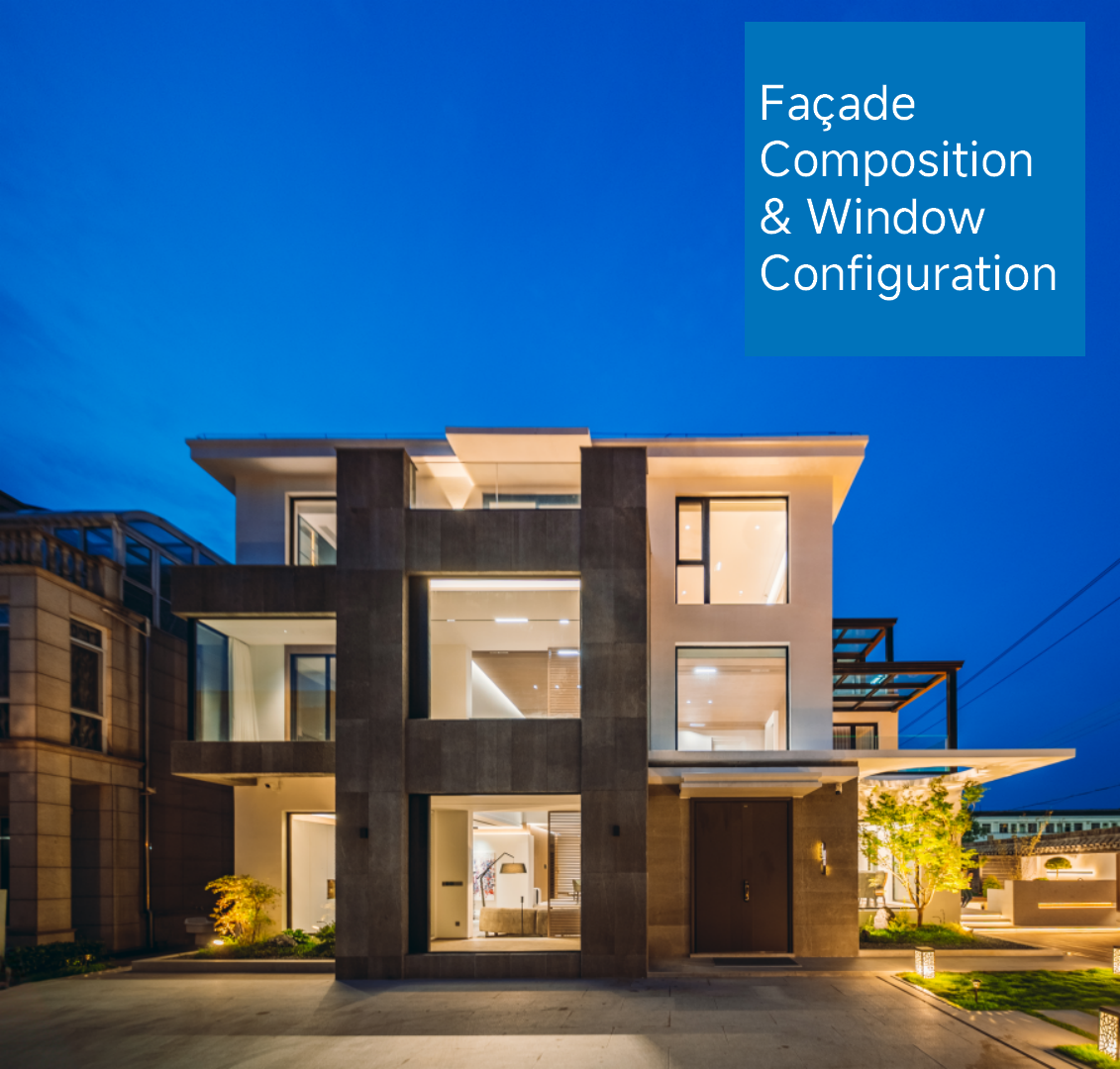
Façade visual alignment: For multi-window facades, CIVRO enforces a single horizontal datum line for handles (same visual level) to improve façade rhythm and perceived quality - a principle that is aesthetic and simplifies manufacturing and installation.
(These guidance ranges are chosen to be compatible with EN product performance frameworks for windows/doors and international accessibility practice; CIVRO calibrates exact values project-by-project to meet local code and client needs.)
Anthropometrics - Designing for The Population
CIVRO’s ergonomics group references up-to-date adult stature and reach data for target markets (for example, Australia’s national health data and regional surveys) when modelling averages and extremes so product ranges suit local occupants while retaining global appeal. Typical adult mean heights used for design modelling vary by market (example averages widely used in practice: Australia ≈175.6 cm male / 161.8 cm female; East & Southeast Asian averages are lower by several centimetres). CIVRO uses these figures to test handle reach, sight lines and sash proportions in each market.
Practical Design Rules CIVRO Applies (Ergonomic Dimension)
Handle height rules (project defaults)
Interior casement/window handles: 900–1,050 mm from finished floor for general accessibility and seated reach.
Exterior casement/window handles (where vertical clearance or sill geometry differs): 850–1,000 mm, adjusted for maintenance access and façade line.
Door lever/pull: 1,000–1,050 mm is CIVRO’s default for residential and light commercial doors to balance stand-and-seated reach and typical European/Australian practice. (Exact heights set per project, keeping handles on a consistent horizontal datum across the façade.)
Operable sash width & proportions (comfort + visual balance)
Interior inward-opening casement: sash width ≤ 800 mm; recommended width:height ratio ≈ 2.1–2.5 for pleasing geometry and comfortable arm reach.
Exterior outward-opening casement: sash width ≤ 700 mm (accounting for arm extension when reaching out); ratio ≈ 2.1–2.5.
Full-height / floor-to-ceiling sash: if intended as a door alternative, sash width ≈ 900–1,000 mm with height:width ratios ~2.5–3.3.
Swing doors: comfortable clear widths 800–1,150 mm for single leaf doors in residential contexts.
These rules follow human reach envelopes and create consistent, elegant proportions across product families.
Consistency across façades
Align handle centres across windows and doors on the same façade elevation. Consistent alignment improves user expectation and visual order.
Accessibility & inclusive options
For projects requiring formal accessibility compliance, CIVRO designs with specific reach and hardware types (lever handles, D-pulls, low-force operation) and documents compliance against local codes (e.g., Australia’s AS1428, Singapore’s Code on Accessibility and internationally referenced ISO guidance).
How CIVRO Tests and Documents Ergonomics
Digital anthropometric modelling: CAD & BIM integration with regional anthropometric data to simulate reach (standing and seated) across representative occupant percentiles.
Mockups and physical prototyping: full-scale samples tested by users representing target markets before finalising handle centers and sash widths.
Product family harmonisation: hardware datum and sightlines fixed at design stage so all SKUs for a project deliver consistent user experience and façade quality.
Designer Notes - Quick Guidance for Architects & Specifiers
Keep window handle centers within a predictable band (CIVRO default 900–1,050 mm) to support both standing and seated users.
Limit inward casement sash width to ≤800 mm and outward casement sash width to ≤700 mm where single-hand operation is required.
For high-performance residences, specify lever handles and low-force multipoint locks to reduce required operating force and improve accessibility.
Document local code compliance early: CIVRO will map the chosen ergonomic settings to local accessibility and product standards during the shop-drawing phase.